Introduction: Fire Safety in the Age of Smart Buildings
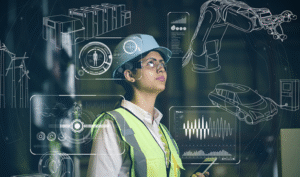
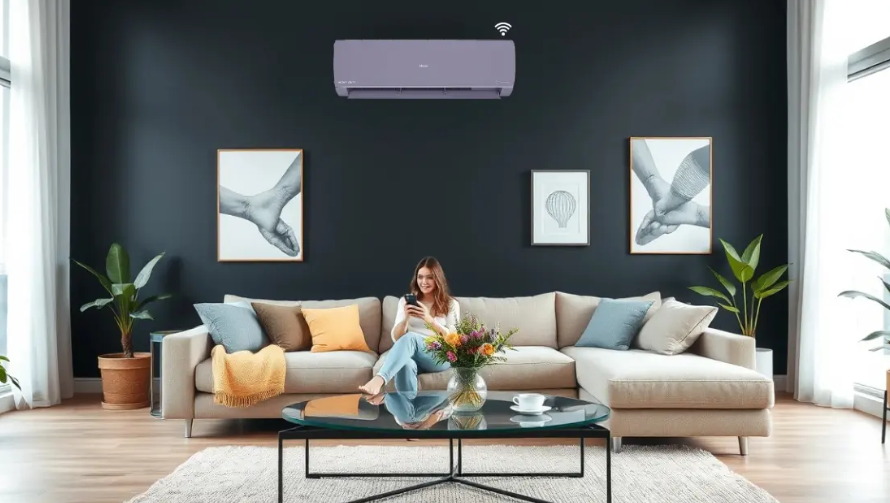
Buildings today are smarter than ever. Automated lighting, smart sensors, integrated security systems, and digital building management platforms are now common features. While these technologies offer efficiency and comfort, they also introduce new fire safety challenges. A well-planned Fire Risk Assessment is essential to ensure that smart and digital buildings remain safe as well as intelligent.
This article explores how fire risk assessment adapts to modern, technology-driven environments and supports safe operation in smart buildings.
Understanding Fire Risk in Smart Buildings
Smart buildings rely heavily on technology.
Key Fire Risk Influencers
- Increased electrical load
- Complex cabling and systems
- Centralized control rooms
- Automated processes
Fire risk assessment evaluates how these elements affect fire likelihood and response.
Role of Fire Risk Assessment in Digital Environments
Fire risk assessment provides structure in complex systems.
Why It Matters
- Identifies technology-related hazards
- Ensures system integration supports safety
- Prevents overreliance on automation
Fire risk assessment balances innovation with safety.
See also: Technology in Modern Home Automation
Smart Electrical Systems and Fire Risk
Electrical systems are at the heart of smart buildings.
Electrical Risk Considerations
- Server racks and data centers
- Power supply units
- Battery storage systems
Fire risk assessment ensures proper cooling, maintenance, and protection.
Fire Detection in Smart Buildings
Detection systems are more advanced than ever.
Modern Detection Technologies
- Smart smoke detectors
- Heat sensors with analytics
- Networked alarm systems
Fire risk assessment verifies reliability, coverage, and fail-safe operation.
Integration of Fire Alarms with Building Management Systems
Integration improves coordination.
Benefits of Integration
- Automatic shutdown of HVAC systems
- Controlled elevator response
- Real-time alerts to managers
Fire risk assessment ensures integration does not compromise safety.
Cybersecurity and Fire Safety Systems
Digital systems introduce cyber risk.
Cyber-Related Fire Risks
- System disruption
- Disabled alarms
- Loss of monitoring capability
Fire risk assessment includes cybersecurity resilience for fire safety systems.
Automated Fire Suppression Systems
Automation supports rapid response.
Examples
- Smart sprinkler systems
- Gas suppression in data centers
Fire risk assessment ensures systems are appropriate and maintained.
Evacuation Management Using Smart Technology
Technology can improve evacuation.
Smart Evacuation Features
- Dynamic exit signage
- Occupancy tracking
- Public address integration
Fire risk assessment ensures these systems remain intuitive and reliable.
Human Interaction with Smart Fire Systems
People must understand technology.
Human Factors to Consider
- Training on digital systems
- Clear manual overrides
- Avoiding complacency
Fire risk assessment ensures people remain in control during emergencies.
Maintenance and Testing in Digital Buildings
Smart systems still need testing.
Key Maintenance Tasks
- Software updates
- Sensor calibration
- Backup system testing
Fire risk assessment ensures maintenance keeps pace with technology.
Managing Change in Smart Building Environments
Technology evolves rapidly.
Change Management Considerations
- System upgrades
- New integrations
- Expanded automation
Fire risk assessment ensures new technology does not introduce new fire risks.
Common Fire Safety Gaps in Smart Buildings
Technology can create false confidence.
Typical Gaps
- Overreliance on automation
- Lack of staff training
- Poor manual backup plans
Fire risk assessment highlights these weaknesses.
Legal and Compliance Challenges in Digital Buildings
Regulations still apply.
Compliance Considerations
- Documentation of digital systems
- Evidence of testing
- Training records
Fire risk assessment ensures smart buildings remain compliant.
FAQs About Fire Risk Assessment
1. Are smart buildings safer from fire?
Only if technology is properly assessed and managed.
2. Can automation replace fire risk assessment?
No, assessment is still essential.
3. Do smart systems reduce evacuation time?
They can, if designed and tested properly.
4. Is cybersecurity part of fire safety?
Yes, system reliability depends on it.
5. Should staff be trained on smart systems?
Absolutely, technology is only effective if understood.
6. How often should assessments be reviewed?
Regularly and after system upgrades.
Conclusion
Modern technology has transformed buildings, but it has not removed the risk of fire. A forward-thinking Fire Risk Assessment ensures that smart and digital buildings remain safe, resilient, and compliant.
By integrating technology with sound fire safety principles, organizations can enjoy the benefits of innovation without compromising life safety or property protection.