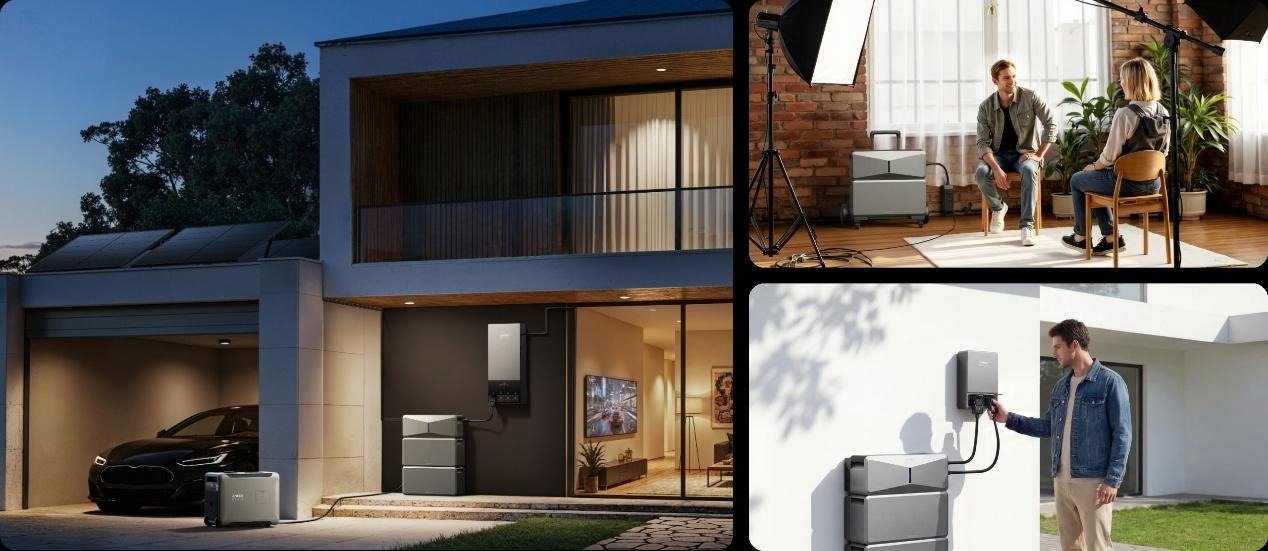
Installing a home backup power system needs more than just selecting the appropriate equipment. To ensure consistent performance, you need a well-planned configuration that adheres to safety rules, fulfills power demands, and caters to future requirements. Whether you’re installing a standby generator, portable unit, or battery backup, understanding the installation procedure helps you eliminate risks and enhance long-term value. From site preparation to final testing, every step is critical. This guide describes the main steps to take before, during, and following installation. Follow these best practices to maintain your system secure, efficient, and ready in case the power goes out.
What You Must Do Before Installation?
Assess Your Power Needs and Load
Begin by selecting the appliances and systems you wish to maintain operational during an outage. List the wattage of each gadget and estimate how many hours each day it will be utilized. Include necessities such as refrigerators, lamps, routers, medical equipment, sump pumps, and HVAC systems. To calculate peak load, add the total wattage of all devices that may be operating concurrently. To appropriately design your system, calculate daily energy demand in watt-hours. Don’t forget about starting spikes from equipment like refrigerators or well pumps. Once you’ve determined your load, you may choose a backup system with the appropriate power and battery or fuel capacity to match your individual household requirements.
Choose the Right Backup System Type
Your power requirements and lifestyle will decide which backup solution is ideal. Standby generators provide whole-home power and automated activation, but they require a gas line and skilled installation. Portable generators are more economical and versatile, but they require manual setup and cannot be used indoors. Battery backups are silent, emission-free, and safer indoors, although their output may be restricted unless combined with solar or more storage. Consider how frequently outages occur and if you want short-term backup for critical equipment or comprehensive coverage. Also, consider fuel availability, solar compatibility, and budget. The ideal system strikes a balance between convenience, power capacity, and long-term value for your home’s individual needs.
Understand Codes, Permits & Regulations
Before installation, look into local rules, permits, and utility needs. Certain regions require electrical licenses, noise compliance, or inspections, particularly for backup generators and solar-integrated systems. Most battery and generator installations must adhere to NEC standards and need a professional electrician. When connecting to the main panel, you’ll most likely require an automated or manual transfer switch that fulfills code requirements. Improper installations may result in fines, insurance concerns, or fire dangers. If you have grid-tied systems, contact your utility provider; they may require inspection or clearance. Understanding legal and safety laws in advance prevents costly delays and assures that your backup power solution is safe, legal, and dependable.
How to Install Safely and Efficiently?
Site Preparation and Clearances
Select an area that is level, dry, and well-ventilated. Place generators at least five feet away from doors, windows, and vents to avoid carbon monoxide accumulation. Avoid places prone to floods, snowfall, or bright sunshine. Battery systems should be installed indoors in a cool, dry location, preferably near the main panel. Secure the system to a nonflammable surface, such as concrete or treated wood. Leave ample room for maintenance access and ventilation. If you’re employing solar panels, be sure the roof or ground mount gets complete sun exposure. Proper site preparation not only enhances efficiency but also safeguards your investment from weather damage and overheating.
Wiring, Transfer Switches & Panels
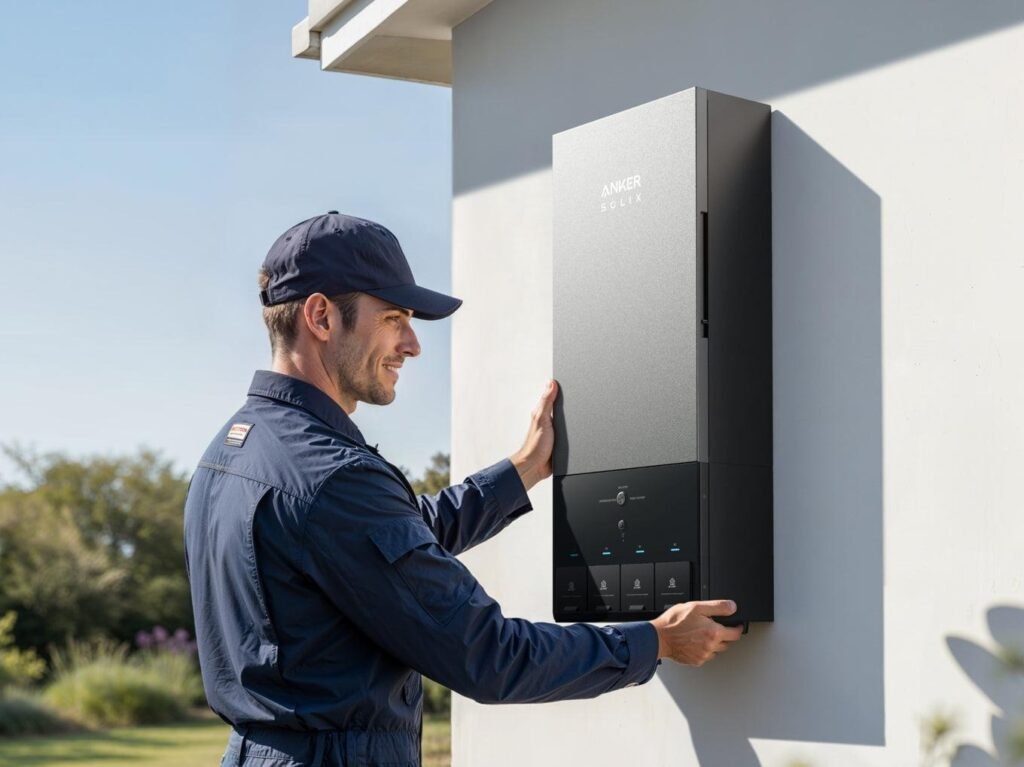
Safe wiring begins with selecting the appropriate gauge and UL-listed components rated for your system’s output. A transfer switch, whether manual or automatic, safely isolates your backup system from the grid, avoiding backfeed. Set it up as close to the main electrical panel as feasible. Match the panel’s amp rating to your system’s capacity, and make sure circuits are identified for critical loads. An inverter and an extra sub-panel may be required with battery systems. Hire a professional electrician for any grid-connected or high-voltage wiring. Poor wiring raises fire hazards and invalidates warranties. When done correctly, an effective electrical setup provides safe transitions during outages and consistent power delivery where it counts the most.
Testing, Grounding & Safety Checks
Once installed, run the system under actual load circumstances. Switching electricity to backup mode simulates an outage and allows you to monitor how your gadgets work. Confirm that your transfer switch works properly and that charging inputs from the grid or solar panels are correct. Check grounding connections to prevent electric shock or voltage accumulation. Check for loose wires, hot areas, and unusual sounds. Test any warning indications or mobile app notifications that are provided. Keep a fire extinguisher nearby, especially for fuel-based devices. If necessary, consult with a professional technician to do any final inspections. A thorough safety inspection ensures that everything functions properly before you need it in an emergency.
Tips for Long‑Term Performance and Maintenance
Regular Inspection and Load Testing
Monthly and seasonal reviews guarantee that your backup system is ready. Every few months, switch to backup mode and operate your important appliances to load test the system. Inspect the wiring, transfer switches, fuel levels, and battery status. Check for corrosion, dampness, and indications of wear. If you have solar panels installed, keep them clean. Maintain a log of inspections and runtime tests. To keep fluids circulating and prevent engine problems, operate generators under load once a month. Replace filters, spark plugs, and software as needed. Regular maintenance ensures that your system is stable and avoids surprises during an actual outage.
See also: Technology in Modern Home Automation
Battery Care, Fuel Storage & Climate Impact
If your battery backup for home system uses batteries, maintain optimal charge levels—typically between 40% and 80%—and avoid deep discharges unless specified. Keep lithium batteries cool, dry, and away from direct sunlight. For generators, rotate stored fuel every 3-6 months and apply stabilizers to prevent breakdowns. Keep propane or diesel tanks safe and away from ignition sources. In harsh conditions, insulate your unit or install weatherproof enclosures. Monitor temperature thresholds, since extreme heat shortens battery life and cold lowers chemical action. Taking climate into consideration and adhering to storage best practices guarantees that your system functions as needed without unexpected failures.
Professional Support and Warranty Follow‑Up
Register your backup system to activate the manufacturer’s warranty and receive customer support. Keep all documentation, receipts, and installation information in one location for convenient reference. If your system contains gasoline engines or grid tie-ins, schedule routine servicing visits. Many firms provide monitoring applications or websites for tracking performance and scheduling maintenance reminders. Contact support if you observe any warning codes, limited runtime, or billing issues. Regular follow-ups can also assist in detecting firmware updates or recall warnings. Professional service extends the life of your system, preserves your investment, and guarantees you have little downtime year after year.
Conclusion
Installing a home backup power system is a wise investment—but only if done correctly. Every step contributes to long-term reliability, from determining your power requirements to adhering to local standards and assuring correct installation. Whether you pick a standby generator, battery backup, or hybrid system, prioritize safety, proper size, and regular maintenance. Spend time preparing the location, making adequate wiring connections, and testing the system under load. With careful design and professional assistance, your backup system will provide consistent power when the grid fails, keeping your house secure, functional, and pleasant regardless of the conditions.