Water in the basement can quietly damage finishes, promote mold, and undermine your home’s value — but you can stop it. Effective basement waterproofing combines identifying where water enters, choosing the right interior or exterior solution, and installing proper drainage so moisture stays out for good.
This article shows how to recognize warning signs, weigh DIY versus pro options, and follow best practices for long-term protection. Expect clear steps on locating leaks, practical fixes you can apply, and the reliable systems professionals use to keep basements dry.
Understanding Basement Waterproofing
You need to know what waterproofing actually does, why water appears in basements, and which methods address specific problems. This section explains the purpose, common failure causes, and the main interior and exterior solutions you’ll encounter.
What Is Basement Waterproofing
Basement waterproof prevents water and excessive moisture from entering your below-grade spaces. It includes physical barriers—membranes, coatings, sealants—and systems that redirect or remove water, like interior drains and sump pumps.
Waterproofing can be either preventive or corrective. Preventive work focuses on grading, gutters, and exterior membranes to stop water before it reaches the foundation. Corrective work repairs leaks and manages water already reaching your foundation through crack injection, interior drainage, and dehumidification.
When choosing materials, match them to the source of water and the type of foundation (poured concrete, block, or stone). Some coatings work for dampness but not for active leaks; interior drains plus a sump pump handle active inflow better than surface sealants alone.
Common Causes of Basement Water Damage
Surface water from poor grading or clogged gutters often saturates soil next to the foundation and forces water in through joints and cracks. You should inspect gutters, downspouts, and soil slope first because these are the most common and easiest fixes.
Hydrostatic pressure from a high water table pushes water through foundation walls and floors. This pressure causes seepage even when walls appear intact. If you have persistent seepage after fixing surface drainage, assume hydrostatic issues and consider drainage systems.
Cracks from settling, freeze-thaw cycles, or construction defects provide direct paths for water. Plumbing leaks and condensation from high indoor humidity also create damp conditions. Identify the specific entry points; the right repair depends on whether the problem is external, structural, or interior moisture.
Types of Basement Waterproofing Methods
Exterior waterproofing: excavate around the foundation, apply a waterproof membrane, and install exterior drainage (perforated pipe and gravel) to move water away. This method targets hydrostatic pressure and is the most effective at preventing inflow but is the most invasive and costly.
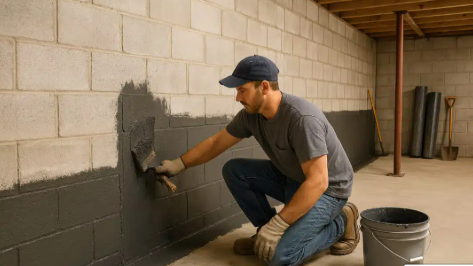
Interior systems: include interior perimeter drains that feed a sump pump, crack injection (epoxy or polyurethane), and vapor barriers/coatings for dampness. These solutions repair active leaks and manage water that has already passed the foundation, often with less disruption and lower cost.
Other options: French drains and surface grading address runoff; gutter and downspout extensions move roof water away. Sump pumps and dehumidifiers control standing water and humidity once drainage is in place. Match method to cause: use exterior drainage for water table/hydrostatic problems and interior drainage plus a sump pump for infiltration and localized leaks.
See also: Technology in Modern Home Automation
Best Practices for Effective Waterproofing
Focus on stopping water at the source, directing it away from your foundation, and choosing durable materials that match your soil and climate. Prioritize drainage, reliable mechanical systems, and proper installation to prevent recurring leaks.
Interior vs. Exterior Waterproofing Solutions
Interior solutions manage water that has already crossed the foundation line. You can install an interior perimeter drain (French drain) tied to a sump pump to collect and remove groundwater. Use hydraulic cement to seal active leaks and epoxy or polyurethane injections for hairline cracks; these stop water entry but don’t address external soil saturation.
Exterior solutions stop water before it reaches the foundation wall. Excavation allows application of a waterproof membrane and exterior drainage (gravel + perforated drain pipe) to move water away from the footing. Exterior work is more invasive and costly, but it reduces hydrostatic pressure and is the best long-term defense against persistent seepage.
Match the approach to the problem: choose interior fixes for localized, low-pressure dampness and exterior methods when water tables, slope, or chronic saturation threaten the foundation.
Waterproofing Materials and Technologies
Choose materials based on the type of leak and soil conditions. For below-grade membranes, use a high-density polyethylene (HDPE) or elastomeric membrane rated for below-grade use; these resist puncture and long-term degradation. For active cracks, select injected polyurethane for flexible, expanding seals or epoxy for structural bond where movement is minimal.
Combine mechanical systems: a battery-backup sump pump, a dedicated GFCI outlet, and a gravity-fed perimeter drain reduce failure risk. Use breathable masonry coatings above grade and elastomeric coatings where minor movement occurs. Include crumb-rubber or drainage board against the exterior membrane if you expect heavy backfill compaction.
Maintain components: flush and test sump pumps annually, inspect weeping tile for silt, and replace sealants every 5–10 years depending on product specs and exposure.
Signs You Need Basement Waterproofing
Look for visual and behavioral clues that indicate water problems. Active indicators: standing water after rain, visible efflorescence, peeling paint, mold patches, or persistent musty odor. You might also notice rust on stored items or warped wood near floor level.
Check structural signals: hairline cracks that widen over time, bulging foundation walls, or new floor heaves suggest pressure from groundwater. Monitor moisture with a hygrometer; sustained humidity above 60% signals inadequate control. Finally, note exterior clues like poor grading, clogged gutters, or downspouts that discharge within 2 feet of the foundation — these increase infiltration risk and usually precede interior symptoms.