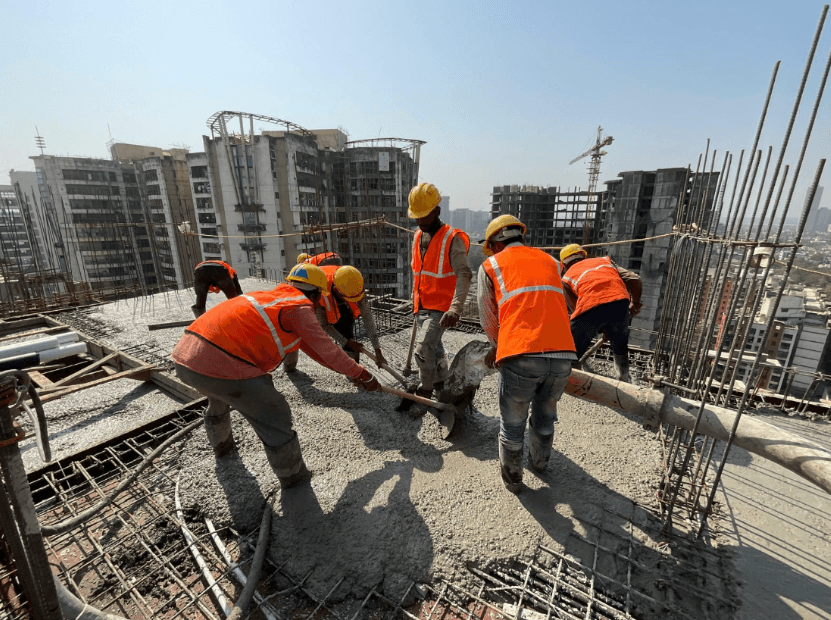
Australia’s construction industry is booming. But there’s a problem: there aren’t enough skilled workers to build what the country needs.
A $242 billion infrastructure pipeline is underway. Residential construction is recovering. Renewable energy projects are ramping up. The 2032 Brisbane Olympics are driving massive construction activity. Governments are investing heavily in housing, transport, and utilities. The work is there. The demand is real. But the workers? They’re nowhere to be found.
Australia is currently short 141,000 construction workers. By mid-2027, that shortage will balloon to 300,000. For skilled tradespeople, this shortage means unprecedented job security, negotiating power, and earning potential. For Australia, it means projects will stall, costs will rise, and timelines will slip unless the skilled trades workforce expands quickly.
This guide explains what’s driving the shortage, which trades are most in demand, and what this means for anyone considering a career in construction.
The Numbers Behind the Shortage
Infrastructure Australia’s latest report paints a stark picture. In October 2025, the construction industry faced a shortfall of 141,000 workers needed to deliver the public infrastructure pipeline alone. That number is set to surge to more than 300,000 workers by mid-2027.
The breakdown matters. Shortages for trades workers and labourers are forecast to peak at 126,000 by mid-2027. Engineers and scientists hit similar numbers. Project management professionals hit 59,000 around the same time.
Australia’s major public infrastructure pipeline totals $242 billion across the next five years, up 14 percent in one year. Transport projects account for more than half at $129 billion. Utilities and energy transmission projects are growing fastest, projected to more than double to $36 billion. Building projects, including social housing, are expected to rise to $77 billion.
The Skill Level 3 trades fill rate sits at just 54.3 percent. This means for every skilled tradesperson available, employers are struggling to find one. Nationally, the vacancy fill rate stands at 70.2 percent. Trades are the hardest occupations to fill in Australia.
| Occupations | Current Shortage | Peak Shortage | Peak Year |
| Trades Workers & Labourers | 80,000+ | 126,000 | Mid-2027 |
| Engineers & Scientists | 90,000+ | 126,000 | Late-2026 |
| Project Management Professionals | 35,000+ | 59,000 | Mid-2027 |
| Total Construction Workers | 141,000 | 300,000+ | Mid-2027 |
Which Trades Are Hardest to Find
The shortage isn’t evenly distributed. Some trades face acute shortages. Others have surplus workers.
The Housing Industry Association’s Trades Availability Index for the final quarter of 2025 reveals clear winners and losers. Bricklaying faces the most severe shortage at -1.02. Ceramic tiling comes next at -0.88. Roofing is at -0.75. Carpentry at -0.62. Plastering at -0.54.
Electrical is the only trade reporting a surplus at +0.05. If you’re considering a career change into trades, electrical has the easiest entry right now due to higher supply relative to demand.
Regional shortages are worse than metropolitan. Brisbane is at -0.90, regional Western Australia at -1.23, and regional Queensland at -1.29. These regions have the worst shortages because of major projects like the Brisbane Olympics drawing workers interstate. Perth sits at -0.68. Sydney and Melbourne are at -0.37 and -0.36 respectively, reflecting slower recoveries in home building.
South Australia’s regional areas showed improvement to -0.15, while Adelaide remained tight at -0.50.
As you plan major building or renovation projects and track property value against market demand, understanding which trades are in demand helps you budget timelines and costs. Properfolio helps you track building projects and maintenance needs so you understand project dependencies and contractor availability in your region.
Why Are Tradespeople in Such Demand?
Several forces are converging to create record demand for skilled trades.
Population growth is driving housing demand. Australia’s population is growing faster than housing supply. Governments are setting ambitious housing targets. NSW alone expects to unlock more than 170,000 new homes in 15 years. Every home needs electricians, plumbers, carpenters, and bricklayers.
Infrastructure investments are enormous. Renewable energy projects are ramping up nationally. Transport infrastructure continues. Utilities need upgrading. Water systems need modernization. These projects run for years and employ hundreds of tradespeople each.
The 2032 Brisbane Olympics are a forcing function. Major construction projects are underway across Queensland. This concentration of activity is drawing workers from other states and creating regional shortages nationwide. Tasmania’s government has already flagged concerns about losing workers to Brisbane’s Olympic construction boom.
The workforce is aging. Many skilled tradespeople who entered the industry decades ago are approaching retirement. Too few apprentices have entered the system fast enough to replace them. At current entry rates, the gap between retiring workers and new entrants won’t close for years.
Demand is expected to persist well beyond 2027. These shortages are structural, not cyclical. The work isn’t ending. The projects extend years into the future. Job security in trades has never been stronger.
What Tradespeople Can Earn
Earnings in skilled trades are substantial and growing.
Electricians earn between $90,000 and $110,000 annually on average, with experienced professionals in Western Australia reaching $130,000. Strong demand exists in residential, commercial, and renewable energy sectors.
Plumbers earn approximately $75,000 to $110,000 per year, with particularly strong prospects in growing cities and new housing developments. With water conservation becoming a priority, expertise in sustainable plumbing systems adds significant value and justifies premium rates.
Construction managers earn $140,000 to $160,000 annually, reflecting the complexity and responsibility of managing multi-million-dollar projects.
These aren’t entry-level wages. These are earnings after qualifications and experience. But the entry path is fast. A nationally recognised qualification in a trade takes weeks or months, not years. Then you’re earning while you gain experience.
In shortage conditions, employers compete on wages. Overtime is abundant. Penalty rates for weekend and evening work add significantly to annual earnings. Negotiating power favours workers. For the next three years, skilled tradespeople will have unprecedented leverage in wage discussions.
The Apprenticeship Bottleneck
The supply problem is simple: not enough young people are entering trades. Apprenticeships are expensive for employers. They require mentoring and on-site supervision. They take three to four years to complete. The financial commitment is real.
But training is accelerating. Nationally recognised qualifications in earthmoving, high-risk work, and civil construction are available in weeks. Hands-on training on real equipment in purpose-built facilities is producing qualified workers fast. Career changers from hospitality, retail, and office work are successfully entering trades.
The barrier isn’t ability. It’s perception. Young people have been pushed toward university degrees for years. Trades are seen as fallback careers, not premium opportunities. This perception is changing. High wages, job security, and apprenticeship incentives are attracting career switchers of all ages.
Women remain severely underrepresented. They make up only 10.8 percent of the construction workforce. Initiatives to attract more women, targeted recruitment campaigns, and mentorship programs are beginning, but progress is slow. This represents an enormous opportunity for diversity in an industry desperate for workers.
Green Building and Future Skills
Australia’s green building market reached $3.5 billion in 2025. This trend is expected to remain prominent for years. Renewable energy projects are a major driver of future demand.
Skilled tradespeople will need to master new technologies: Building Information Modelling (BIM), drones, artificial intelligence, and sustainable building practices. Upskilling in these areas improves job satisfaction and overall safety on building sites.
Circular economy principles are gaining traction. The construction industry is shifting from a linear model of making and disposing of materials to one that prioritises repairing and recycling. Sustainability expertise adds significant value and future-proofs careers against automation and outsourcing.
Water conservation expertise is becoming essential. As Australia’s climate becomes more variable, skilled plumbers who understand sustainable plumbing systems, greywater recycling, and water-efficient fixtures are increasingly valuable. Plumber Landsdale and similar trades across Australia are upskilling in green and sustainable practices to meet emerging demand.
Continuous learning isn’t optional. It’s essential for career longevity and premium earning potential. Tradespeople who invest in new skills position themselves ahead of peers and remain relevant as the industry evolves.
See also: POS Machine: Streamlining Transactions for Modern Businesses
International Workers Filling the Gap
Australia is increasingly relying on skilled migration to fill construction shortages. At the end of 2025, there were more than 8,600 visa holders (457/482 visas) sponsored by the construction industry. This figure has doubled from just years earlier, surpassing numbers seen during the mining boom of the previous decade.
These international workers represent less than one percent of Australia’s total construction workforce. But the trend shows that employers are actively pursuing overseas pathways to secure workers. Western Australia and South Australia have taken in disproportionate shares of these arrivals, reflecting the hottest home building markets in the nation.
International workers are helping, but they’re not solving the shortage. Local training remains the primary solution. Governments and industry bodies are calling for more apprenticeships, more targeted recruitment campaigns, and more educational outreach to boost entry rates. But these initiatives take years to scale.
For skilled trades workers in Australia, international competition for workers means wages remain high and job security remains strong. Employers prefer local workers who don’t require visa sponsorship. Local workers have the advantage.
The Next Three Years
Australia’s construction boom is creating genuine opportunity for skilled tradespeople. The shortage extends at least three more years. Demand is outpacing supply significantly. Job security is strong. Earning potential is high. Career pathways exist for people switching from other industries.
If you’re considering a career change, the timing is now. The shortage is real. The demand is documented. The pay is competitive. The opportunities are abundant. Upskilling in green and sustainable practices future-proofs your career as the industry evolves.
The construction boom won’t last forever. But for the next three years, it’s creating unprecedented opportunity for anyone willing to acquire tradecraft skills and contribute to building Australia’s future.