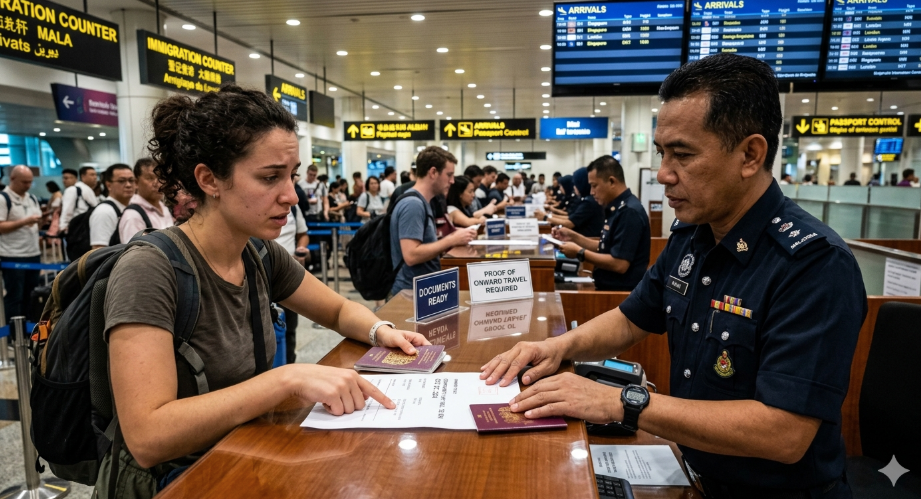
International travel often comes with excitement, flexibility, and spontaneity. Many travelers enjoy planning trips without rigid schedules, preferring to decide their next destination while already exploring a country. However, one overlooked travel requirement can unexpectedly disrupt even the best-planned adventure: proof of onward travel.
Many travelers only realize this rule exists when an airline agent asks for evidence of a departing flight or when immigration officers request documentation at border control. In many situations, failing to show an onward ticket can result in denied boarding or delays at immigration, creating stress before a trip even begins.
Understanding onward travel requirements is becoming increasingly important, especially for backpackers, digital nomads, business travelers, and tourists who prefer open-ended travel plans.
Understanding What an Onward Ticket Means
An onward ticket refers to documented proof that a traveler intends to leave a destination country before their visa or entry period expires. In simple terms, immigration authorities want reassurance that visitors are not planning to overstay.
An onward travel document may include:
- A return flight to your home country
- A flight reservation to another country
- Bus, ferry, or train tickets in some regions
- Travel bookings showing departure plans
For example, if someone enters Thailand under a tourist visa exemption, authorities may ask for evidence that the traveler plans to leave within the permitted stay period.
While some travelers are never asked for proof, others encounter strict verification at airports or immigration checkpoints.
See also: Technology in Modern Home Automation
Why Immigration Authorities Ask for Proof of Onward Travel
Countries establish immigration rules to maintain legal entry systems and reduce visa overstays. Requiring proof of onward travel helps authorities assess whether a visitor has realistic plans to exit the country within the allowed timeframe.
There are several reasons immigration officials enforce these policies.
Preventing Overstays
One of the biggest concerns for immigration departments is travelers remaining beyond their legal stay period. Proof of onward travel offers confidence that visitors plan to leave before violating visa conditions.
Supporting Border Security
Immigration officers often evaluate travel intentions during entry checks. Travelers with organized plans and departure documentation may experience smoother processing.
Managing Tourism Policies
Many destinations depend on tourism but still maintain strict entry regulations. Onward travel requirements help governments balance visitor access with immigration control.
Although enforcement levels differ from country to country, travelers should avoid assuming they will never be asked for documentation.
Airlines Also Enforce Travel Rules
One common misconception is that onward travel checks only happen at immigration. In reality, airlines often become the first checkpoint.
Airlines can face financial penalties if passengers are refused entry into a destination country and must be returned. Because of this responsibility, airline staff frequently request proof of departure before issuing boarding passes.
This can create frustrating situations for travelers with flexible itineraries.
Imagine arriving at check-in only to discover you cannot board because you have not booked travel beyond your destination. Even if immigration officers may not ask later, airlines often follow stricter policies to avoid liability.
For this reason, many travelers research options for securing an onward ticket before arriving at the airport.
Countries That Frequently Require Onward Travel Proof
While policies constantly evolve, several destinations are known for requesting onward travel evidence more regularly than others.
Common examples include:
- Thailand
- Indonesia
- Philippines
- Costa Rica
- New Zealand
- Singapore
- Brazil
Some countries enforce rules more strictly depending on visa category, nationality, or length of stay.
Travelers entering visa-free or tourist visa programs may face greater scrutiny because officials want reassurance regarding departure intentions.
Before traveling internationally, reviewing embassy websites or official immigration portals is always recommended.
Challenges for Flexible Travelers
Traditional travelers with fixed vacation dates rarely struggle with onward travel requirements because return tickets are already booked.
However, modern travel habits have changed significantly.
Today, many people travel without fixed schedules, including:
- Digital nomads working remotely
- Backpackers traveling across multiple countries
- Long-term tourists
- Freelancers with flexible work schedules
- Travelers waiting on visa approvals
These travelers often prefer deciding their next destination later rather than purchasing expensive flights months in advance.
For someone traveling through Southeast Asia, for example, plans may change depending on budget, weather, personal preference, or visa opportunities.
In these situations, rigid return flights may feel impractical or unnecessarily expensive.
Common Solutions Travelers Consider
Travelers use different strategies to satisfy onward travel requirements while maintaining flexibility.
Return Tickets
A standard round-trip ticket remains the simplest option for short vacations.
However, this approach may not work for travelers with open-ended plans.
Refundable Airline Tickets
Some travelers purchase refundable bookings that can later be canceled after entering the destination country.
While practical, refundable fares often cost more upfront.
Budget Flights to Neighboring Countries
Low-cost airlines make regional travel affordable in some areas.
Travelers sometimes purchase inexpensive flights to nearby destinations simply to meet immigration requirements.
Temporary Flight Reservations
Flexible travelers may explore travel reservation options that temporarily satisfy proof-of-departure rules without requiring long-term commitments.
Regardless of the method used, travelers should always confirm that documentation aligns with airline and immigration expectations.
Common Misunderstandings About Onward Travel
Many travel-related problems occur because people misunderstand immigration requirements.
“Nobody Ever Checks”
Some travelers enter countries without being asked for onward proof. However, this does not guarantee future travelers will have the same experience.
Enforcement often depends on timing, nationality, airline policies, and immigration officer discretion.
“I Have Enough Money, So I’m Fine”
Financial proof and onward travel proof are different requirements. Having sufficient funds does not necessarily replace departure documentation.
“Visa-Free Means No Conditions”
Visa-free access still comes with regulations. Many visa-free programs specifically mention onward travel requirements.
“Immigration Is the Only Concern”
As mentioned earlier, airlines frequently enforce onward travel rules before passengers even board flights.
How Travelers Can Avoid Problems
Preparation is one of the easiest ways to reduce airport stress.
Before international travel, consider these steps:
Research Entry Rules
Every country maintains different requirements. Official government immigration websites are often the most reliable source.
Verify Airline Expectations
Some airlines strictly enforce onward travel policies even when destination countries apply them inconsistently.
Save Travel Documents Digitally
Keeping confirmations accessible through email or screenshots can simplify airport interactions.
Prepare Backup Options
Travel flexibility is valuable, but having a plan for onward travel requirements can prevent unnecessary complications.
Small preparation steps can significantly reduce travel disruptions.
The Growing Importance of Flexible Travel Planning
Remote work and long-term travel have changed how people approach international mobility.
More travelers now prioritize:
- Flexible schedules
- Multi-country travel routes
- Digital nomad lifestyles
- Long-term stays abroad
This shift has increased awareness around immigration logistics, including onward travel documentation.
As international movement becomes more flexible, understanding border requirements becomes equally important.
Conclusion
International travel often feels exciting because of its unpredictability, but immigration requirements still demand preparation. Proof of onward travel may seem like a minor detail, yet it can significantly impact whether travelers board flights or enter destination countries without problems.
For fixed vacations, onward travel is usually straightforward. However, travelers embracing flexibility may need to think more carefully about how they manage departure requirements.
Understanding the role of an onward ticket, checking destination-specific regulations, and preparing documents in advance can help travelers avoid delays, denied boarding, and unnecessary travel stress. In the end, smart preparation helps make international travel smoother and more enjoyable.