Workplaces that involve heights, elevated platforms, confined spaces, and hazardous industrial conditions require reliable safety measures to protect workers from accidents. Falls remain one of the leading causes of workplace injuries and fatalities across industries such as construction, manufacturing, oil and gas, telecommunications, warehousing, and energy production. To minimize these risks, companies increasingly rely on advanced fall protection systems that combine innovative technology, durable equipment, and strict safety standards.
Modern workplaces demand more than basic safety gear. Employers now focus on comprehensive fall protection strategies that improve worker confidence, reduce liability risks, and ensure compliance with occupational safety regulations. Advanced systems are designed not only to prevent falls but also to provide rescue support, movement flexibility, and real-time monitoring for employees working in dangerous environments.
Understanding Fall Protection Systems
Fall protection systems are specialized safety solutions created to prevent workers from falling or to minimize injury if a fall occurs. These systems include a combination of equipment, anchor points, harnesses, lifelines, guardrails, and rescue devices.
The primary goal of fall protection systems is to create a secure working environment where employees can perform tasks at heights safely and efficiently. Depending on the worksite and industry requirements, these systems may involve passive protection, active restraint, fall arrest solutions, or rescue mechanisms.
High-risk work environments often expose employees to dangerous edges, elevated platforms, rooftops, scaffolding, towers, and industrial machinery. Without proper safety measures, even a minor mistake can result in serious injuries or fatalities. This is why advanced fall protection technology has become an essential part of industrial safety programs.
See also: Modern Workplace Relocation Trends Shaping Business Growth
Importance of Fall Protection in High-Risk Industries
Industries involving work at heights face constant safety challenges. Construction workers frequently operate on scaffolding, roofs, and steel structures, while maintenance crews often access elevated equipment in factories and warehouses.
In sectors such as oil and gas, workers may perform tasks on offshore platforms, storage tanks, and drilling rigs where environmental conditions add additional hazards. Telecommunications technicians also climb towers and poles daily, making dependable fall protection systems crucial for their safety.
Implementing advanced safety systems provides several benefits beyond worker protection. Companies can reduce workplace accidents, minimize downtime, avoid legal penalties, and improve employee morale. A strong safety culture also enhances business reputation and operational efficiency.
Key Components of Advanced Fall Protection Systems
Modern fall protection solutions are designed to provide complete safety coverage for workers in hazardous conditions. Several essential components work together to create a reliable safety system.
Full Body Harnesses
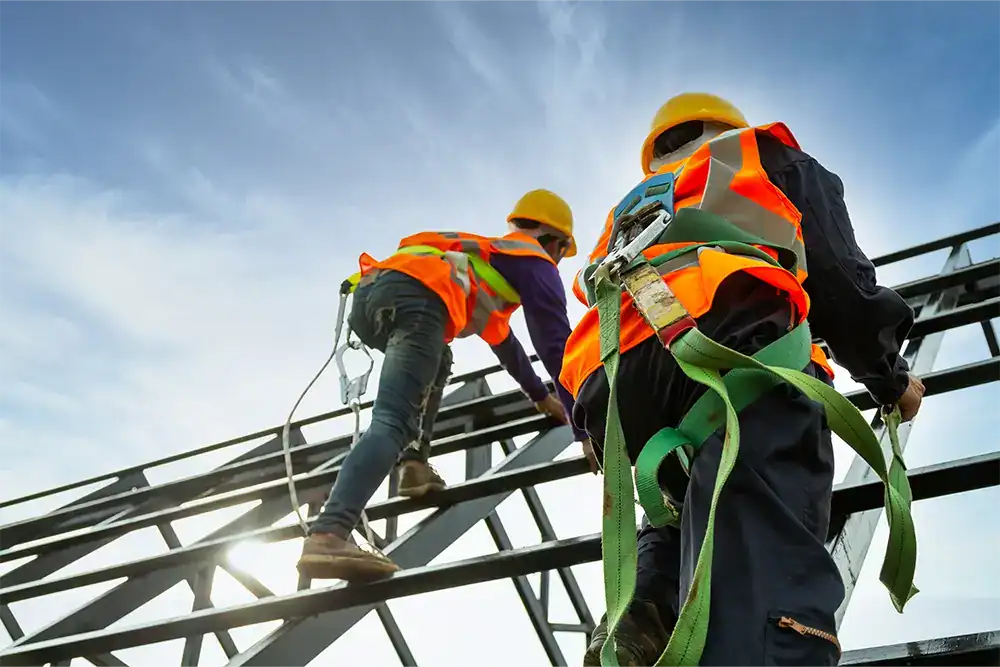
Full body harnesses distribute fall forces evenly across the body, reducing the risk of serious injury during a fall. Modern harnesses are lightweight, adjustable, and designed for long-term comfort.
Advanced harness designs include padded straps, quick-connect buckles, and ergonomic support features that allow workers to move freely without compromising safety.
Self-Retracting Lifelines
Self-retracting lifelines automatically extend and retract as workers move. In the event of a fall, the system locks instantly to stop movement and reduce fall distance.
These advanced fall protection systems improve mobility while providing rapid fall arrest capabilities, making them ideal for dynamic work environments.
Anchor Points and Horizontal Lifelines
Anchor systems provide secure attachment points for workers operating at heights. Horizontal lifeline systems allow multiple workers to move safely across large work areas while remaining continuously connected.
Permanent and temporary anchor solutions are available depending on the job site requirements.
Guardrails and Safety Barriers
Passive fall protection measures such as guardrails and barriers help prevent falls without requiring workers to wear specialized equipment constantly.
These systems are commonly used on rooftops, elevated platforms, and industrial walkways.
Rescue and Evacuation Equipment
Advanced fall protection strategies also include rescue systems designed for emergency response situations. Rescue devices help safely retrieve workers after a fall while minimizing suspension trauma risks.
Technological Advancements in Fall Protection Systems
Technology is transforming workplace safety by making fall protection systems smarter, more efficient, and easier to manage.
Smart Harness Technology
Modern harnesses now include sensors capable of detecting falls, monitoring worker movement, and sending emergency alerts. These systems improve response times during accidents and enhance overall job site safety.
IoT-Enabled Monitoring Systems
Internet of Things (IoT) technology allows safety managers to monitor workers and equipment in real time. Connected devices can track harness usage, inspect equipment conditions, and provide predictive maintenance alerts.
Advanced Materials and Design
Manufacturers are using lightweight yet highly durable materials to improve comfort and reduce fatigue. Modern safety equipment offers enhanced resistance to weather, chemicals, heat, and corrosion.
AI-Based Safety Analytics
Artificial intelligence tools can analyze workplace data to identify potential hazards and improve safety planning. Predictive safety analytics help companies prevent accidents before they occur.
Types of Fall Protection Strategies
Different work environments require different safety approaches. Understanding the various types of fall protection systems helps organizations choose the right solution for their operations.
Fall Prevention Systems
Fall prevention focuses on eliminating the possibility of falls entirely. Examples include guardrails, safety nets, and controlled access zones.
Fall Restraint Systems
Fall restraint systems prevent workers from reaching dangerous edges by limiting their movement through lanyards and anchor points.
Fall Arrest Systems
Fall arrest systems allow workers to access hazardous areas while stopping falls safely if they occur. These systems are commonly used in construction, maintenance, and tower climbing operations.
Rescue Systems
Rescue systems are designed to retrieve workers safely after a fall event. Rapid rescue capability is essential in minimizing injuries and ensuring worker survival.
Compliance and Workplace Safety Regulations
Safety regulations require employers to provide adequate protection for workers exposed to fall hazards. Organizations must comply with local and international occupational safety standards to reduce risks and maintain legal compliance.
Regular inspections, employee training, and equipment maintenance are critical components of a successful fall protection program. Employers should ensure that all fall protection systems meet industry certifications and safety standards.
Training programs help workers understand proper equipment usage, hazard identification, emergency procedures, and safe work practices. A well-trained workforce significantly reduces the likelihood of workplace accidents.
Choosing the Right Fall Protection System
Selecting the correct safety system depends on several factors, including worksite conditions, industry requirements, and operational risks.
Evaluate Workplace Hazards
Companies should conduct detailed risk assessments to identify fall hazards and determine appropriate protection methods.
Consider Worker Mobility
Some tasks require greater freedom of movement, making self-retracting lifelines and horizontal lifeline systems more suitable.
Assess Environmental Conditions
Work environments involving chemicals, extreme temperatures, or moisture require specialized safety equipment with enhanced durability.
Prioritize Comfort and Ease of Use
Comfortable equipment encourages consistent worker compliance and reduces fatigue during long shifts.
Future of Fall Protection Systems
The future of workplace safety will continue evolving through innovation and automation. Smart technologies, wearable sensors, drone inspections, and AI-powered monitoring tools are expected to become standard features in advanced fall protection systems.
As industries adopt digital transformation and Industry 4.0 technologies, safety systems will become more integrated with operational management platforms. Real-time data analysis, predictive maintenance, and automated emergency response capabilities will help create safer and more efficient workplaces.
Conclusion
Advanced fall protection systems are essential for protecting workers in high-risk environments where elevated work and hazardous conditions are common. From smart harnesses and self-retracting lifelines to IoT monitoring and AI-driven safety analytics, modern safety solutions are transforming industrial workplace protection.
Investing in high-quality fall protection systems not only prevents injuries and fatalities but also improves operational efficiency, regulatory compliance, and employee confidence. As workplace safety standards continue advancing, organizations that prioritize innovative fall protection solutions will create safer, more productive environments for their workforce.