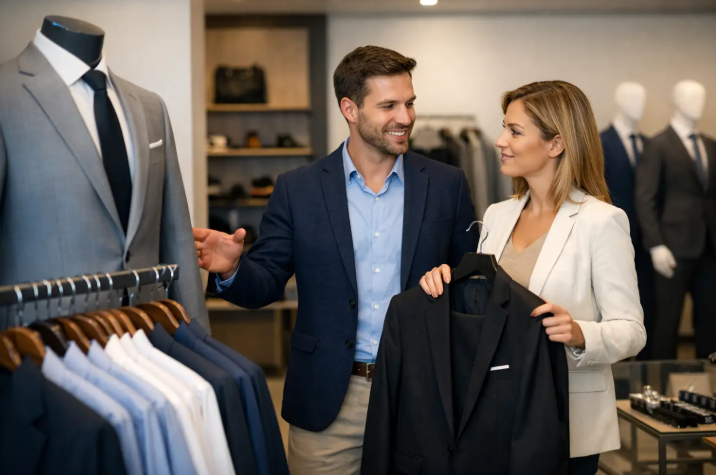
Business branding is often associated with logos, websites, marketing campaigns, and social media content. While these elements remain important, many organizations overlook a branding tool that interacts directly with customers every day: professional apparel.
The clothing employees wear can influence how a company is perceived. Whether someone walks into a retail store, attends a trade show, visits a client, or interacts with service staff, apparel contributes to first impressions. In competitive markets, those impressions matter.
Professional apparel has evolved beyond simple uniforms. Today, businesses view workplace clothing as part of a larger branding strategy that supports consistency, credibility, and customer trust. As organizations place greater emphasis on brand identity, the role of professional apparel continues to grow.
Why First Impressions Matter in Business
Research consistently shows that people form opinions quickly. In many cases, customers begin evaluating a business before a conversation even starts.
Professional appearance often influences perceptions of reliability, organization, and attention to detail. Employees who present themselves consistently can help reinforce a company’s image and values.
This is particularly important for businesses that rely on face-to-face interactions. Sales representatives, customer service teams, hospitality staff, and field technicians often serve as the public face of an organization.
The apparel they wear becomes part of the overall customer experience.
See also: Cracking the Code: Why Data Structures are the Backbone of US Tech Careers
Professional Apparel Creates Brand Consistency
Consistency is one of the most recognizable characteristics of successful brands. Customers expect businesses to maintain a clear and recognizable identity across all touchpoints.
Professional apparel helps support this goal by creating a uniform appearance among employees. When staff members wear coordinated clothing, customers are more likely to recognize them as representatives of the company.
This consistency strengthens brand visibility while creating a more organized and professional environment.
Whether a business operates from a single location or across multiple regions, apparel can help unify the customer experience.
The Relationship Between Apparel and Customer Trust
Trust plays a major role in purchasing decisions. Customers are more likely to engage with businesses that appear credible and professional.
Professional apparel contributes to this perception by creating visual consistency and helping employees appear approachable. Customers often feel more comfortable interacting with clearly identifiable staff members.
In industries such as healthcare, hospitality, retail, and home services, recognizable apparel can reduce uncertainty and improve customer confidence.
Although trust is influenced by many factors, appearance remains an important part of the overall experience.
How Employee Apparel Supports Company Culture
Professional apparel influences more than customer perceptions. It can also contribute to internal company culture.
When employees wear coordinated clothing, they often feel more connected to the organization and its goals. Shared visual identity can reinforce a sense of belonging and teamwork.
This effect is particularly noticeable during company events, training programs, trade shows, and community initiatives. Coordinated apparel helps employees represent the organization while strengthening internal unity.
As businesses continue to focus on workplace engagement, apparel remains one of many tools that support a positive organizational environment.
Why Modern Businesses Are Moving Beyond Traditional Uniforms
Traditional uniforms often focused primarily on appearance. While presentation remains important, modern organizations increasingly seek apparel that balances professionalism with practicality.
Employees spend long hours working, meeting customers, attending events, and traveling between locations. Clothing that supports movement and everyday wearability can contribute to a better overall experience.
This shift has encouraged businesses to adopt updated apparel styles that maintain a professional image while offering improved functionality.
The result is workplace clothing that aligns more closely with contemporary business needs.
Professional Apparel at Trade Shows and Corporate Events
Trade shows, conferences, and networking events provide valuable opportunities for businesses to connect with potential customers and industry partners.
During these events, professional apparel can improve visibility and strengthen brand recognition. Coordinated clothing helps attendees quickly identify team members while reinforcing company identity.
Businesses often invest heavily in event marketing. Apparel supports these efforts by extending branding beyond signage, promotional materials, and booth displays.
Employees effectively become brand ambassadors throughout the event.
The Importance of Quality in Workplace Clothing
Not all professional apparel creates the same impression. Garment quality can influence how both employees and customers perceive a business.
Well-constructed apparel often maintains its appearance longer and provides a more polished presentation. Poor-quality garments may fade, shrink, or lose their shape after repeated use.
Because apparel reflects the organization itself, many businesses prioritize quality when selecting workplace clothing.
Investing in dependable garments can help support long-term branding goals while improving employee satisfaction.
How Branded Apparel Supports Marketing Efforts
Marketing is not limited to advertising campaigns. Every customer interaction contributes to brand awareness.
Branded apparel creates opportunities for businesses to increase visibility in everyday settings. Employees wearing company apparel at events, meetings, job sites, and community activities help extend brand exposure beyond traditional marketing channels.
This visibility can reinforce recognition among existing customers while introducing the brand to new audiences.
When combined with other branding efforts, professional apparel becomes part of a broader marketing strategy.
Choosing the Right Apparel for Business Needs
Selecting workplace apparel requires careful consideration. Businesses must evaluate factors such as industry requirements, employee responsibilities, climate conditions, and brand image.
Some organizations prioritize formal appearance, while others focus on flexibility and mobility. Customer-facing roles may require apparel that projects professionalism, while field-based positions may benefit from garments designed for durability.
Finding the right balance helps businesses align apparel choices with operational needs and branding objectives.
Many organizations work with apparel suppliers to identify products that match their specific requirements. Providers such as simplstcapparel offer access to a variety of apparel categories that support workplace branding and employee apparel programs.
The Growing Demand for Corporate Clothing
Corporate apparel has become increasingly popular across industries. Businesses recognize that clothing serves a practical purpose while also contributing to brand identity.
This trend extends beyond large corporations. Small businesses, nonprofit organizations, educational institutions, and service providers are all investing in branded apparel programs.
As competition continues to increase, organizations are seeking ways to strengthen their image and improve customer experiences. Professional apparel remains one of the most visible tools available for achieving those goals.
When businesses evaluate established workplace apparel brands, Port Authority clothing is frequently mentioned because of its long-standing presence in corporate apparel programs, employee uniforms, and branded business clothing initiatives.
Looking Ahead: The Future of Business Apparel
Workplace apparel will likely continue evolving as employee expectations and branding strategies change. Businesses are increasingly looking for garments that combine professionalism, functionality, and long-term durability.
At the same time, customers continue to value consistency and professionalism when interacting with organizations. Apparel remains a visible representation of those qualities.
Future developments may include new fabric technologies, expanded customization options, and increased emphasis on sustainable production practices. Regardless of these changes, apparel will continue serving as an important component of business branding.
Conclusion
Professional apparel plays a much larger role in business branding than many organizations realize. It influences first impressions, supports brand consistency, strengthens customer trust, and contributes to company culture.
As businesses continue searching for ways to differentiate themselves in competitive markets, workplace apparel will remain an important branding tool. Organizations that approach apparel strategically can create stronger connections with customers, improve employee representation, and reinforce their overall brand identity. In today’s business environment, professional apparel is no longer just clothing—it is an extension of the brand itself.