You can address traumatic responses by working with the brain’s earliest, nonverbal reactions rather than only with thoughts or memories. Deep brain reorientation (DBR) guides your nervous system through the brainstem’s orienting and shock responses so you can release tightly held physiological patterns that keep triggering anxiety, dissociation, or emotional overwhelm.
As you explore what DBR does and how clinicians apply it, you’ll learn why it focuses on subcortical processes, how sessions typically unfold, and which kinds of trauma or attachment wounds it may help. That practical focus will help you decide whether DBR’s body-first, neuroscience-informed approach fits your healing goals.
Understanding Deep Brain Reorientation
Deep Brain Reorientation focuses on the brainstem and midbrain sequences that activate during traumatic events and on the orienting responses that follow. You will see how the method targets subcortical physiology, its origins in clinical practice and research, and how it differs from other neuroscientific therapies.
Core Concepts
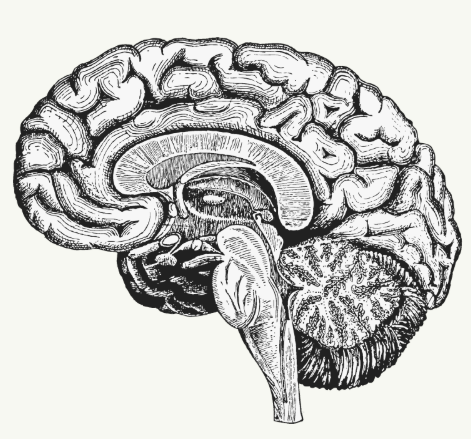
Deep Brain Reorientation (DBR) targets the subcortical sequence of sensing, orienting, shock/immobilization, and reorientation that often unfolds during a traumatic event. You will track bodily sensations and micro-movements rather than relying on narrative recall. This approach uses guided attention to early brainstem activity—especially structures like the superior colliculus and midbrain nuclei—to allow the autonomic and orienting responses to complete.
Therapists guide you to notice visceral sensations, tiny head or eye movements, and the felt sense that predates emotion. Processing occurs as those sensorimotor markers shift and the nervous system reorients, reducing the persistence of trauma-related shock without mandatory full memory exposure.
History and Development
DBR emerged from clinicians integrating neuroscience with trauma-focused psychotherapy in the 2010s and early 2020s. Practitioners and researchers noted that many trauma therapies accessed cognition and emotion but less reliably targeted brainstem-level orienting and shock responses. Clinical work by Frank Corrigan and colleagues refined protocols that explicitly sequence attention through orienting, shock, and reorientation phases.
Research efforts have moved toward randomized controlled trials and case series that assess symptom change and physiological markers. Training programs and practitioner networks spread the method, while ongoing studies aim to clarify mechanisms and boundary conditions for different trauma types and attachment-related shock.
Comparison to Other Neuroscientific Approaches
DBR differs from exposure-based therapies by minimizing prolonged narrative reliving; it emphasizes pre-emotional sensorimotor events. Compared with EMDR, DBR places more intentional focus on brainstem orienting and subtle motor cues rather than bilateral stimulation as the primary mechanism. Compared with somatic therapies, DBR offers a structured sequencing protocol tied to neuroanatomical targets (orienting → shock → reorientation).
Practically, you can expect DBR sessions to be slower and more internally focused than cognitive approaches, and to use minimal verbalization when accessing early subcortical responses. Evidence and mechanisms remain under active study, so clinicians often integrate DBR with other validated interventions depending on your needs.
Applications and Therapeutic Potential
Deep Brain Reorienting targets subcortical responses triggered during traumatic events, aiming to reduce entrenched physiological shock, dissociation, and survival-based hyperarousal. It applies to a range of trauma-related conditions and is currently being evaluated in controlled research settings.
See also: Alternatives to Filing a Partition Action in Florida – Before You Head to Court
Mental Health Interventions
You can use DBR for PTSD, attachment-related trauma, and cases with strong somatic or dissociative symptoms. Sessions guide you to track a sequence of neurophysiological responses—orienting, shock, tremor, and calming—so you can process the earliest nonverbal elements of traumatic memory rather than only the narrative content.
Clinicians often combine DBR with existing therapies such as EMDR, sensorimotor psychotherapy, or trauma-focused CBT to address both subcortical reactivity and higher-order cognitive patterns. DBR suits clients who struggle with exposure-based approaches because it emphasizes gentle, bottom-up processing and physiological resourcing.
Clinical Research Findings
Randomized trials and controlled studies have started to test DBR’s efficacy, including internet-delivered protocols. One randomized controlled trial reported significant reductions in PTSD symptoms after eight online DBR sessions, with effects maintained at three-month follow-up. The study noted large effect sizes and low dropout rates, suggesting acceptable tolerability.
Preliminary evidence points to meaningful clinical change in symptom severity, emotional regulation, and somatic distress. However, research samples remain limited in size and diversity. You should view current findings as promising but preliminary until larger multi-site trials and replication studies confirm long-term outcomes and mechanisms.
Challenges and Future Directions
Training standards and clinician availability present immediate barriers; DBR requires precise skill in tracking subcortical sequences and managing physiological responses. You may find access limited to trained specialists, and inconsistent training models can affect fidelity of delivery.
Future research priorities include larger randomized trials, standardized treatment manuals, biomarkers of change (e.g., autonomic measures), and comparative studies versus established trauma therapies. Implementation work should address telehealth adaptations, cultural applicability, and integration into stepped-care settings so you can access DBR safely and effectively.