If you’re tearing out walls or managing a renovation, drywall recycling can cut disposal costs and keep gypsum out of landfills. You can often recycle clean, uncontaminated drywall at specialized facilities, turning gypsum back into new wallboard or soil amendment instead of sending it to the dump.
This article explains what types of drywall recycling programs accept, how the recycling process works, and what to watch for—like mold, asbestos, or lead paint—that can force landfill disposal. Expect practical steps to sort, prepare, and find local recycling options so your project stays compliant and more sustainable.
Understanding Drywall Recycling
Drywall recycling turns gypsum-based wallboard waste into usable materials while reducing landfill volume and preventing gypsum-related leachate problems. The process relies on careful separation, contamination control, and processing equipment to recover gypsum and usable paper fiber.
What Is Drywall Recycling?
Drywall recycle is the collection, sorting, and processing of gypsum wallboard (sheetrock) from construction, renovation, and demolition projects.
You or your contractor separate clean drywall from contaminated waste—painted, moldy, or mixed-material boards require special handling or disposal.
Recyclers crush or grind the clean gypsum core, remove paper facings, and screen out contaminants like metal, wood, and plastics.
The processed gypsum returns to industry as agricultural soil amendment, cement additives, or raw gypsum for new wallboard, depending on local markets and quality standards.
Key operational steps you should expect: source-separation at site, transport to a dedicated facility, mechanical processing (grinding and screening), and final product testing for purity.
Facilities typically prefer new-construction scrap because it contains fewer contaminants and lower sorting costs.
Benefits of Recycling Drywall
Recycling drywall reduces landfill volume and limits hydrogen sulfide and sulfate leaching that can harm groundwater.
You also conserve mined gypsum resources and cut the embodied energy and emissions associated with producing virgin gypsum.
Recycled gypsum can displace a share of raw gypsum in cement production, reducing CO2 intensity of that industry.
On-site recycling or contractor-managed diversion often lowers disposal costs, especially where landfill tipping fees are high.
Recycling supports regulatory compliance in regions with construction-waste diversion targets, and it improves your project’s sustainability metrics for certifications or client requirements.
Keep in mind that economic and environmental benefits depend on local recycling infrastructure and the cleanliness of the drywall stream.
Types of Materials in Recycled Drywall
Recycled drywall yields two primary streams: gypsum core particles and paper fiber from facing liners.
The gypsum fraction is typically a fine, inorganic powder after grinding; the paper fraction is a fibrous organic component that may be composted or used in low-grade fiber applications.
Contaminants you must avoid include paint, joint compound residues, insulation, metal fasteners, wiring, and wood.
Presence of these materials reduces product quality and may require additional separation or render the material unsuitable for gypsum reuse.
Final recycled products vary by specification: agricultural-grade gypsum (soil conditioner), cement kiln feed, or reconstituted gypsum board feedstock.
Each end use sets limits on allowable impurity levels, moisture content, and particle size, so proper sorting at the source improves your recovery rate and marketability.
See also: Economy vs Business Class on New York to India Flights: Price, Comfort & Value
Drywall Recycling Process and Applications
You will learn how drywall is collected and prepared, how facilities turn it into usable gypsum, where recycled gypsum goes, and the regulatory or technical limits that affect recycling.
Collection and Sorting Methods
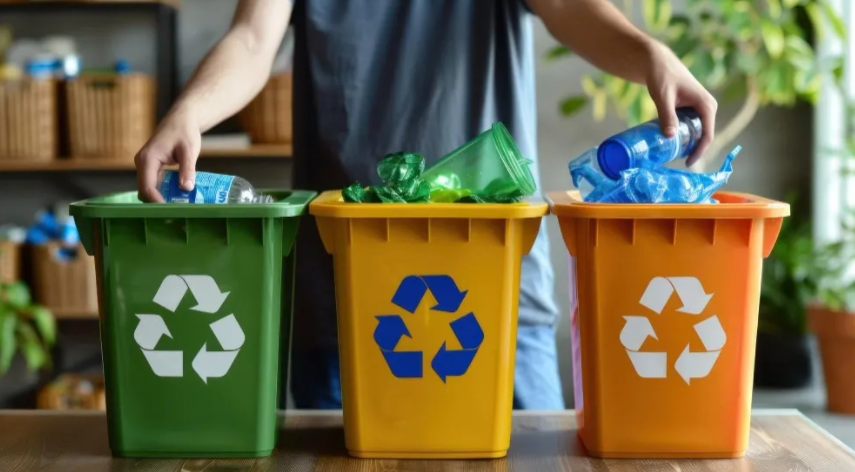
You should separate drywall at the job site whenever possible. Source-separation keeps drywall free from paint, joint compound, nails, screws, wood, metal, and insulation—contaminants that commonly disqualify loads from recycling. Marked bins and on-site sorting reduce labor at the recycling facility and lower tipping fees.
For demolition projects, use dedicated roll-off containers labeled for “clean gypsum” and train crews to remove trim, electrical fixtures, and fasteners. Smaller quantities can be dropped at municipal transfer stations if they accept clean drywall. Keep wet or moldy material out; water-damaged drywall often requires disposal because sulfide formation and microbial growth create hazards.
Processing Techniques
Facilities inspect loads and remove non-gypsum items by hand or with magnets and screens. Mechanical shredders reduce panels to chips; trommels and air classifiers separate paper from gypsum core. After size reduction, facilities dehydrate and grind gypsum to a consistent powder suitable for manufacturing.
Some plants use chemical treatments to stabilize contaminants or to convert sulfates before reuse. Closed-loop systems blend recycled gypsum with virgin gypsum at controlled ratios to meet manufacturer specifications. Processes vary by end use: agricultural amendments require different particle sizes and purity standards than wallboard feedstock.
Uses for Recycled Gypsum
Recycled gypsum most often returns to wallboard manufacturing as a partial substitute for virgin gypsum, typically mixed at rates set by mills. You’ll also find recycled gypsum in cement production as a set retardant, and in soil amendments where it improves structure and supplies calcium and sulfur.
Other niche uses include landfill odor control and compost additives. Each application has purity and particle-size requirements; for example, agricultural use demands low salt and contaminant levels, while wallboard feedstock needs consistent moisture and gypsum chemistry. Matching recycled material to the right market maximizes value and reduces waste.
Challenges and Regulations
Contamination remains the main technical barrier. Paint, joint compound, wood, and metals reduce product quality and increase processing costs. Wet or moldy drywall can produce hydrogen sulfide in landfills, creating safety and regulatory problems that restrict disposal and recycling options.
Regulations vary by state and country. You must follow local waste classification, transport manifesting, and end-use standards; some jurisdictions require landfill bans or incentives for gypsum recycling. Liability concerns and inconsistent regional infrastructure can limit access to recycling for smaller contractors, so verify acceptance criteria before collecting material.