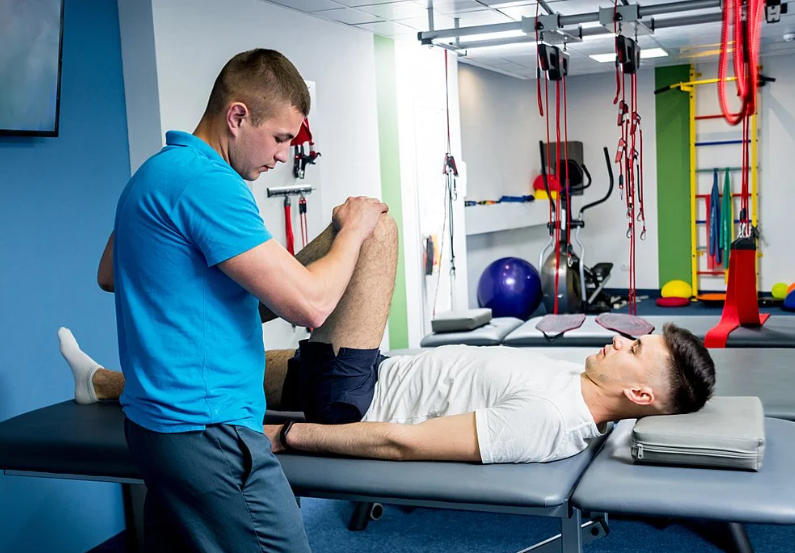
Sports injury rehabilitation has evolved far beyond basic exercise sheets and occasional clinic visits. Today, physiotherapists are integrating Remote Therapeutic Monitoring (RTM) physical therapy software to deliver more structured, data-driven, and responsive exercise prescription programs. This approach not only improves recovery outcomes but also enhances athlete engagement, accountability, and long-term performance.
What Is Remote Therapeutic Monitoring (RTM)?
Remote Therapeutic Monitoring is a care model that allows physiotherapists to track and support patients between in-clinic visits using digital tools. Instead of relying only on occasional appointments, clinicians can monitor symptoms, adherence to exercises, and functional progress remotely.
RTM is commonly used in rehabilitation programs for musculoskeletal injuries, post-operative recovery, chronic pain, and mobility limitations.
The Role of Exercise Prescription in Sports Injury Rehab
Exercise prescription is at the core of sports physiotherapy. Whether it’s a ligament injury, muscle strain, or post-surgical recovery, physiotherapists design targeted programs to restore strength, mobility, stability, and function. These programs often include:
- Strength and conditioning exercises
- Mobility and flexibility work
- Neuromuscular control and balance training
- Sport-specific movement patterns
However, the effectiveness of these programs depends heavily on how well athletes follow them outside the clinic. This is where RTM software plays a critical role.
Bridging the Gap Between Clinic and Training
One of the biggest challenges in sports rehabilitation is the gap between supervised sessions and independent training. Athletes may misunderstand instructions, skip exercises, or progress too quickly without proper guidance.
RTM physical therapy software bridges this gap by providing a structured digital environment where athletes can access their prescribed exercises, follow guided instructions, and log their progress. Instead of relying on memory or printed sheets, they have a clear, interactive roadmap for recovery.
Real-Time Monitoring and Feedback
With RTM, physiotherapists gain visibility into how athletes are performing their exercises in real time or near real time. This continuous feedback allows physiotherapists to make timely adjustments. For example, if an athlete reports increased knee pain during a strengthening exercise, the clinician can modify the intensity or substitute the movement before the issue worsens. Athletes can report:
- Pain levels during or after exercises
- Difficulty or fatigue
- Range of motion improvements
- Completion rates
Improving Adherence and Accountability
Consistency is key in sports injury recovery. Even the most well-designed program will fail if it is not followed properly. RTM software improves adherence by:
- Sending reminders for scheduled exercises
- Tracking completion rates
- Showing progress over time
- Encouraging athlete-clinician interaction
Athletes, especially those motivated to return to sport quickly, benefit from seeing measurable progress. This sense of accountability often leads to better compliance and faster recovery.
Personalization and Progression
No two injuries, or athletes, are the same. RTM enables highly personalized exercise prescription by allowing physiotherapists to adjust programs based on real-world data rather than assumptions. As athletes progress, exercises can be scaled in intensity, complexity, or volume. This ensures that rehabilitation is both safe and optimized for performance outcomes.
Enhancing Communication and Support
RTM platforms often include messaging or communication features that allow athletes to stay connected with their physiotherapist between sessions. This is particularly valuable in sports settings where timing and performance matter.
Athletes can ask questions, report concerns, or clarify instructions without waiting for the next appointment. This ongoing communication reduces uncertainty and helps maintain momentum throughout the recovery process.
See also: A Complete Guide to Syringe Types and Their Applications in Healthcare
Benefits for Clinics and Sports Teams
For physiotherapy clinics and sports organizations, integrating RTM software offers several advantages:
- Scalability: Manage more athletes without increasing in-clinic time
- Efficiency: Reduce unnecessary visits while maintaining care quality
- Performance tracking: Monitor multiple athletes simultaneously
- Competitive edge: Offer modern, tech-enabled rehabilitation services
This is especially beneficial for teams managing multiple athletes recovering from different injuries.
Challenges and Considerations
While RTM offers clear benefits, successful implementation requires:
- User-friendly platforms for both athletes and clinicians
- Proper onboarding to ensure athletes use the system correctly
- Integration into existing clinical workflows
- Ongoing monitoring to ensure data accuracy and engagement
Clinics must also ensure compliance with privacy and data protection standards when handling patient information.
The Future of Sports Injury Rehabilitation
The integration of RTM physical therapy software into sports physiotherapy is not just a trend, it’s a shift toward more intelligent, connected care. As technology continues to advance, we can expect even greater integration of wearables, motion analysis, and AI-driven insights.
For athletes, this means faster, safer, and more efficient recovery. For physiotherapists, it means better tools to deliver high-quality, personalized care at scale.