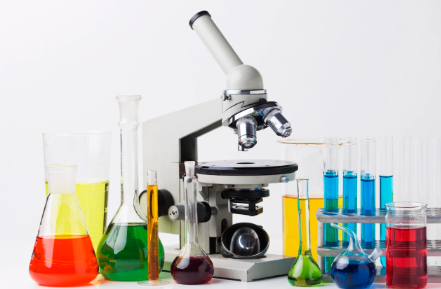
You rely on the right laboratory equipment to get accurate, repeatable results and to keep your team safe. Understand which instruments matter for your work—balances, centrifuges, pipettes, fume hoods, and cold storage—and how each affects data quality and workflow efficiency.
This article shows practical guidance on common equipment types and straightforward maintenance practices that extend service life and reduce downtime. Expect clear comparisons, purchase and care tips, and quick checks you can use to improve performance the next time you step into the lab.
Types of Laboratory Equipment
You will encounter instruments for measurement and analysis, vessels and disposables for handling samples, devices to control temperature, and gear to protect personnel and samples. Each category contains items chosen for precision, compatibility with your workflows, and regulatory or safety needs.
Analytical Instruments
Analytical instruments provide quantitative and qualitative data about samples. Expect spectrophotometers (UV‑Vis, IR) for absorbance and concentration measurements, chromatographs (GC, HPLC) for separating and quantifying compounds, and mass spectrometers for molecular weight and structural information. Choose instruments based on required sensitivity (ppm, ppb), dynamic range, and sample throughput.
Calibration and maintenance matter; follow manufacturer schedules and use certified standards. Consider autosamplers and data‑logging software to reduce manual error and support traceability for audits.
Common bench versions include colorimeters and pH meters for quick checks, while larger lab systems include ICP‑MS for elemental analysis and NMR for structural elucidation. Match consumables (columns, cuvettes, reagents) to instrument specs to avoid measurement drift.
Glassware and Plasticware
Glassware and plasticware form the physical interface with your samples. Use borosilicate glass (e.g., Pyrex) for heating and organic solvents, and volumetric glassware for precise dilutions and calibration standards. Plasticware—polypropylene, polyethylene, and polystyrene—serves disposables needs where breakage, adsorption, or sterility matter.
Select based on chemical compatibility, temperature tolerance, and accuracy. Volumetric flasks and class A pipettes deliver high precision; graduated cylinders and plastic beakers serve general mixing. For cell culture and molecular work, sterile, RNase/DNase‑free consumables prevent contamination.
Inspect for chips, cracks, and residue; autoclave glass when heat‑sterilization is required and use validated single‑use plastics where sterility and cross‑contamination risk must be minimized.
See also: Technology in Modern Home Automation
Heating and Cooling Equipment
Heating and cooling devices control reaction kinetics and sample stability. Use hotplates and heating mantles for controlled heating of flasks and solids; oil baths and dry block heaters give uniform temperature for multiple samples. For cooling, refrigerated centrifuges, cold rooms, and cryogenic freezers (−80 °C) preserve enzymes, cells, and long‑term samples.
Monitor and log temperatures with independent probes for critical storage and processes to meet compliance and avoid sample loss. Choose equipment by temperature range, stability (±°C), and capacity. Consider vibration isolation for refrigerated centrifuges to protect sensitive separations.
For synthesis and sensitive assays, combine temperature control with stirring or recirculating chillers to maintain uniform reaction conditions and reproducible results.
Safety Equipment
Safety equipment protects personnel, samples, and the facility. Install biological safety cabinets (Class II for sterile work; Class III for maximum containment) for cell culture and infectious materials. Use fume hoods for volatile chemicals and chemical hoods with appropriate face velocity (typically 80–120 fpm) for solvent vapors.
Personal protective equipment (PPE) such as nitrile gloves, safety goggles, and lab coats must match hazards—chemical‑resistant gloves for solvents, cut‑resistant gloves for glass handling. Keep fire extinguishers, eyewash stations, and safety showers accessible and maintained according to local codes.
Implement spill kits, chemical incompatibility charts, and properly labeled, ventilated storage for flammables and corrosives. Train personnel on emergency procedures and ensure routine inspections and certifications for containment and ventilation systems.
Maintenance and Best Practices
Keep calibration records, follow manufacturer cleaning steps, and store items by type and sensitivity to extend equipment life and ensure accurate results.
Calibration Procedures
Create a written calibration schedule tied to each instrument’s use and risk level. Calibrate balances, pipettes, spectrophotometers, and thermometers at set intervals—daily for high-frequency pipettes, weekly for analytical balances, and quarterly or per manufacturer guidance for complex analyzers.
Use certified reference standards or traceable calibration weights. Record the standard used, lot number, ambient conditions, and operator initials in a calibration log.
Validate after calibration by running a known control sample and documenting pass/fail criteria. If an instrument fails, tag it out of service, note the deviation, and perform corrective actions before returning to use. Keep calibration certificates accessible for audits.
Cleaning Techniques
Follow manufacturer instructions for disassembly, compatible detergents, and allowable sterilization temperatures. Use lint-free wipes and 70% isopropanol for exterior surfaces; reserve enzymatic cleaners for protein residues on glassware and plasticware.
For sensitive optics and sensors, blow off particulates with filtered compressed air and use optical-grade solvents applied with cotton swabs. Avoid immersing electronics; instead, use wipedowns and contact cleaning agents specified by the vendor.
Implement daily, weekly, and monthly cleaning checklists. Assign tasks with initials and dates to maintain accountability. Dispose of cleaning waste per chemical and biohazard rules and document any incidents or damage caused during cleaning.
Storage Guidelines
Store reagents, consumables, and instruments by temperature, light sensitivity, and compatibility. Label shelves with temperature ranges and organize by hazard class to prevent cross-contamination.
Keep calibration standards and traceable weights in protective cases away from humidity and vibration. Refrigerators and freezers should have temperature logs and alarm contact points; check door seals regularly.
For long-term instrument storage, follow shutdown procedures: purge gases, remove batteries, and cap fluid lines. Use desiccants for moisture-sensitive optics and cover instruments with breathable dust covers. Maintain an inventory with serial numbers, purchase dates, last service, and location for quick audits and replacement planning.