What is RFID and How Does It Work
Radio Frequency Identification (RFID) is a wireless technology that uses electromagnetic fields to automatically identify and track tags attached to objects. These tags contain electronically stored information that can be read from a distance without direct contact. An RFID system typically consists of three main components: a tag, a reader, and an antenna. The reader emits radio waves through the antenna, which activate the tag and allow data to be transmitted back to the reader.
RFID operates in a simple yet powerful way. When a tagged object enters the range of a reader, the tag sends its stored data, such as a unique identification number. This data is then processed and stored in a database for further use. Unlike barcodes, RFID does not require line-of-sight scanning, making it faster and more efficient. This technology has become increasingly popular in industries where speed, accuracy, and automation are essential.
Types of RFID Systems and Their Uses
RFID systems are generally categorized into three types: low-frequency (LF), high-frequency (HF), and ultra-high-frequency (UHF). Each type operates at a different frequency range and offers unique advantages depending on the application. LF solution RFID is commonly used in animal tracking and access control systems due to its short reading range and resistance to interference. HF RFID is widely used in contactless payment systems, library management, and smart cards.
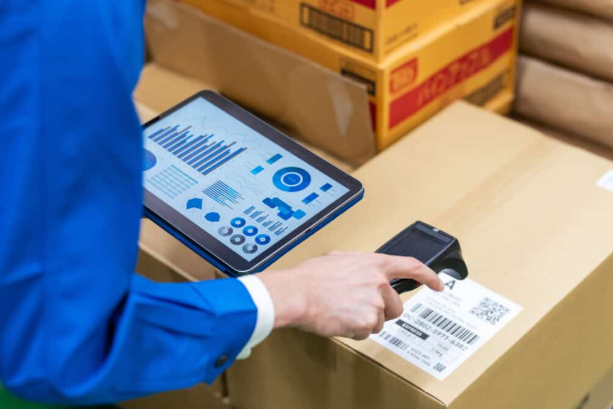
UHF RFID, on the other hand, provides a longer read range and faster data transfer, making it ideal for supply chain management and inventory tracking. Businesses use UHF systems to monitor goods in warehouses and during transportation. Each system is designed to meet specific needs, and choosing the right type depends on factors such as range, speed, and environmental conditions. The flexibility of RFID technology makes it adaptable to a wide variety of industries.
Benefits of RFID Technology in Modern Industries
RFID technology offers numerous advantages that make it a valuable tool in modern industries. One of the most significant benefits is improved efficiency. Since RFID does not require manual scanning, it reduces human error and speeds up processes such as inventory management and asset tracking. Companies can monitor their products in real time, leading to better decision-making and reduced operational costs.
Another key advantage is enhanced security and accuracy. RFID tags can store more data than traditional barcodes and are harder to duplicate. This makes them useful in applications like access control, payment systems, and anti-counterfeiting measures. Additionally, RFID systems can operate in harsh environments, including extreme temperatures and dirty conditions, making them reliable for industrial use. These benefits contribute to increased productivity and overall business performance.
Real World Applications of RFID Across Sectors
RFID technology is widely used across various sectors, transforming the way organizations operate. In retail, RFID helps track inventory levels, prevent theft, and improve customer experience by ensuring products are always available. In healthcare, RFID is used to track medical equipment, manage patient records, and ensure the correct administration of medication. This reduces errors and enhances patient safety.
In logistics and transportation, RFID plays a crucial role in tracking shipments and improving supply chain visibility. Airports use RFID to manage luggage, reducing the chances of lost baggage. Similarly, manufacturing industries use RFID to monitor production processes and maintain quality control. Even in agriculture, RFID is used to track livestock and monitor their health. These real-world applications highlight the versatility and importance of RFID technology in today’s world.
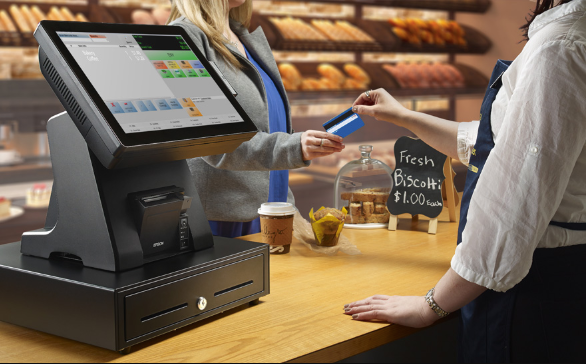
See also: POS Machine: Streamlining Transactions for Modern Businesses
Future Trends and the Growing Importance of RFID
The future of RFID technology looks promising as advancements continue to expand its capabilities. With the rise of the Internet of Things (IoT), RFID is becoming an integral part of connected systems. Smart devices equipped with RFID can communicate with each other, enabling automation and real-time data sharing. This integration is expected to revolutionize industries by improving efficiency and reducing costs.
Moreover, the development of smaller, more affordable RFID tags is making the technology accessible to a broader range of businesses. Innovations such as battery-free sensors and enhanced data storage are further increasing its potential. As companies continue to adopt digital transformation strategies, RFID will play a key role in enabling smart operations. Its ability to provide accurate, real-time information ensures that it will remain a critical technology in the years to come.