Modern manufacturing depends on precision, efficiency, and reliability. In industrial environments where machine tools and heavy-duty equipment operate continuously, the role of clutches and brakes becomes extremely important. From CNC machines and presses to conveyors and packaging systems, these components ensure smooth motion control, accurate stopping, and improved machine safety. Businesses looking to enhance operational performance often rely on industrial mechanical clutches to maintain consistent productivity while minimizing downtime.
Industrial clutches and brakes are designed to transmit, control, or stop mechanical power within machines. Their performance directly affects production speed, equipment lifespan, and workplace safety. As industries continue adopting automation and high-speed manufacturing systems, the demand for advanced industrial clutch and brake solutions is growing rapidly across sectors worldwide.
Understanding Industrial Clutches and Brakes
Industrial clutches are mechanical devices used to connect and disconnect power transmission between driving and driven shafts. They allow machinery to engage or disengage motion without shutting down the entire system. Brakes, on the other hand, are responsible for slowing down or stopping moving components safely and efficiently.
These systems are widely used in industries such as metalworking, mining, printing, automotive manufacturing, textile production, and material handling. Their ability to deliver precise torque control makes them essential for machine tools and industrial automation equipment.
The primary purpose of industrial mechanical clutches is to improve operational flexibility. They help operators start, stop, reverse, or position machine parts accurately while reducing wear on motors and transmission systems. Industrial brakes complement this function by ensuring controlled deceleration and emergency stopping when needed.
See also: Cracking the Code: Why Data Structures are the Backbone of US Tech Careers
Types of Industrial Mechanical Clutches
Different industrial applications require specialized clutch designs. Choosing the right type depends on torque requirements, operating conditions, load capacity, and machine speed.
Friction Clutches
Friction clutches are among the most commonly used clutch systems in industrial equipment. They operate by using friction surfaces to transfer torque between shafts. These clutches are suitable for applications requiring smooth engagement and controlled power transmission.
Machine tools such as lathes, milling machines, and drilling equipment often rely on friction-based clutch systems for accurate performance.
Electromagnetic Clutches
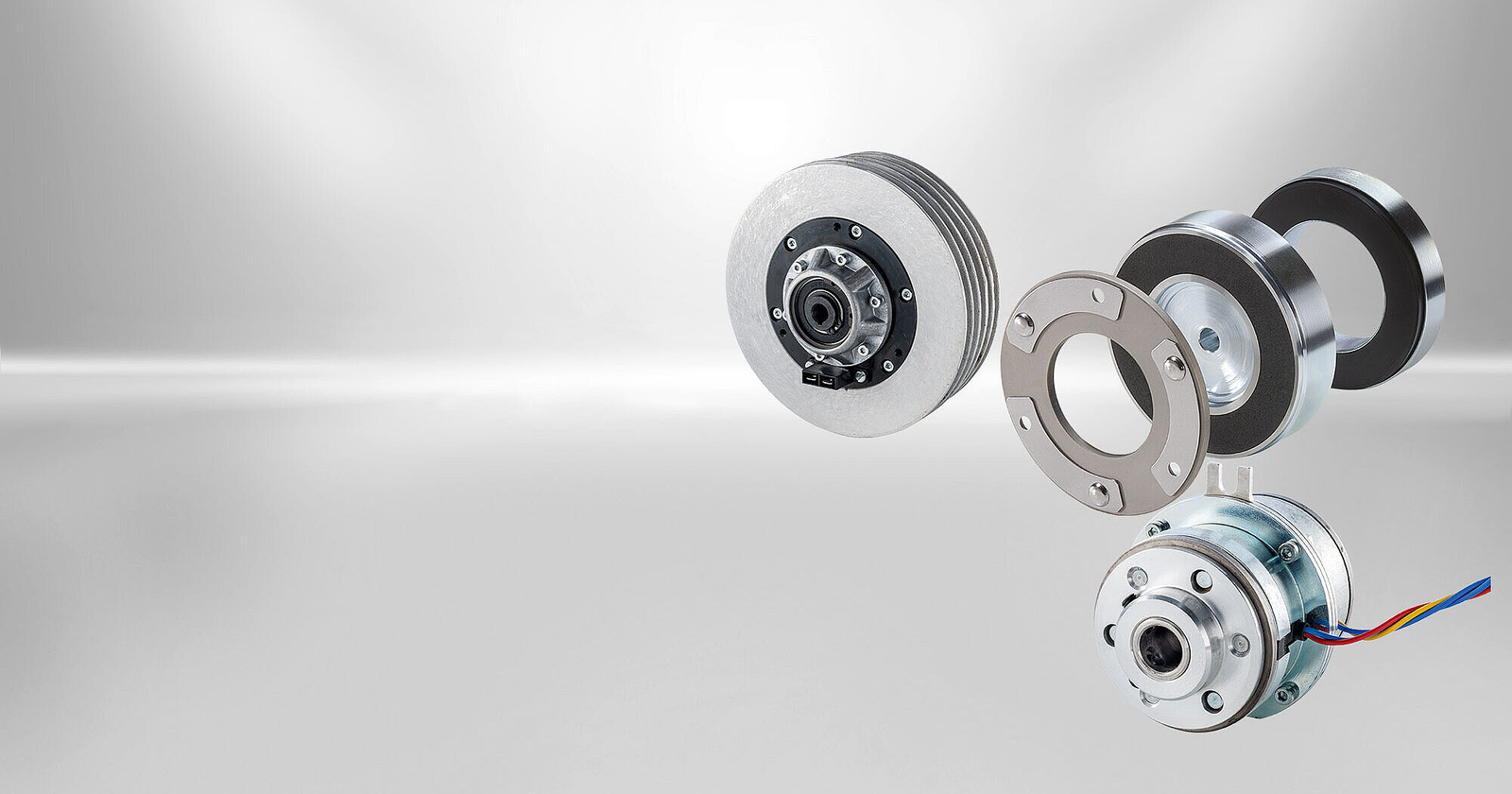
Electromagnetic clutches use magnetic force to engage and disengage power transmission. They provide quick response times and are ideal for automated systems where precision control is necessary.
Industries using CNC machinery and robotic production systems frequently prefer electromagnetic industrial mechanical clutches because of their reliability and automation compatibility.
Pneumatic Clutches
Pneumatic clutches operate using compressed air pressure. These systems are popular in heavy industrial environments where high torque and rapid cycling are required. They are commonly used in mining equipment, marine machinery, and large manufacturing plants.
Hydraulic Clutches
Hydraulic clutches utilize fluid pressure to transmit torque. They offer smooth operation and excellent load-handling capabilities, making them suitable for heavy-duty industrial equipment.
Common Types of Industrial Brakes
Industrial brakes play a vital role in maintaining safety and controlling machine motion. Various brake systems are designed to meet different industrial needs.
Disc Brakes
Disc brakes provide high stopping power and efficient heat dissipation. They are widely used in industrial machinery that requires rapid stopping and frequent operation cycles.
Drum Brakes
Drum brakes are durable and cost-effective for heavy-duty applications. They are commonly found in cranes, conveyors, and construction machinery.
Electromagnetic Brakes
Electromagnetic brakes are preferred in automated equipment because of their fast response and precise stopping capability. They are widely used in packaging systems, robotics, and machine tools.
Spring-Applied Brakes
Spring-applied brakes automatically engage when power is lost, providing an important safety feature for industrial machinery and lifting systems.
Importance of Industrial Clutches and Brakes in Machine Tools
Machine tools require precise motion control to produce high-quality components. Industrial clutches and brakes contribute significantly to this precision by regulating movement and ensuring stable operation.
In CNC machining centers, clutch systems allow controlled spindle engagement, while braking systems ensure accurate stopping positions. This level of precision reduces material waste and improves product consistency.
Another advantage of industrial mechanical clutches is their ability to protect machinery from overload conditions. By disengaging power transmission during excessive torque situations, clutches help prevent costly equipment damage and production delays.
Brakes also enhance workplace safety by enabling emergency stops and controlled deceleration. In high-speed industrial environments, reliable braking systems are essential for preventing accidents and protecting operators.
Benefits of Using High-Quality Industrial Mechanical Clutches
Investing in high-performance industrial clutch and brake systems offers several operational advantages for manufacturers and equipment operators.
Improved Productivity
Efficient clutch and brake systems reduce machine downtime and improve production speed. Smooth engagement and rapid stopping allow machines to operate more effectively during continuous production cycles.
Enhanced Equipment Lifespan
Quality industrial mechanical clutches minimize mechanical stress on motors, gears, and shafts. This reduces wear and extends the service life of expensive industrial equipment.
Better Energy Efficiency
Modern clutch and brake systems are designed to optimize power transmission and reduce energy loss. Improved efficiency lowers operational costs and supports sustainable manufacturing practices.
Increased Safety
Reliable braking systems protect operators and machinery by ensuring controlled stopping during normal operation and emergencies.
Reduced Maintenance Costs
Advanced industrial clutches and brakes require less frequent maintenance and replacement. Durable materials and precision engineering contribute to long-term cost savings.
Applications Across Industries
Industrial clutch and brake systems are used in a wide range of industrial sectors due to their versatility and reliability.
In metalworking industries, they control machine tool spindles and feed systems. Printing presses use clutch and brake combinations for precise paper handling and alignment. Mining equipment depends on heavy-duty clutch systems to manage extreme torque loads.
Packaging and food processing industries rely on electromagnetic brakes and clutches for automation and high-speed production lines. Textile machinery also benefits from accurate motion control provided by industrial braking systems.
The growing adoption of automation and robotics has further increased demand for advanced industrial mechanical clutches capable of supporting intelligent manufacturing systems.
Factors to Consider When Choosing Industrial Clutches and Brakes
Selecting the correct industrial clutch or brake requires careful evaluation of operational requirements. Several important factors should be considered before making a purchase.
Torque Capacity
The clutch or brake must handle the required torque load without failure or excessive wear.
Operating Environment
Industrial environments involving dust, moisture, heat, or chemicals require specially designed components for durability and reliability.
Speed Requirements
Applications with high-speed operations need systems capable of rapid engagement and stopping without overheating.
Maintenance Needs
Low-maintenance solutions can reduce downtime and operating costs significantly.
Compatibility
The selected clutch or brake system should integrate smoothly with existing machine tools and control systems.
Future Trends in Industrial Clutch and Brake Technology
Industrial manufacturing is evolving rapidly with the integration of smart technologies and automation. Modern clutch and brake systems are becoming more intelligent, energy-efficient, and digitally connected.
Manufacturers are now developing advanced monitoring systems that provide real-time performance data, predictive maintenance alerts, and automated diagnostics. These innovations help reduce unexpected failures and improve operational efficiency.
Lightweight materials, improved friction technologies, and environmentally friendly designs are also shaping the future of industrial mechanical clutches and brakes. As industries move toward Industry 4.0 and smart factories, precision motion control systems will remain essential for modern production processes.
Conclusion
Industrial clutches and brakes are critical components in machine tools and heavy equipment. Their ability to control motion, transmit power, and ensure safe operation makes them indispensable in modern manufacturing environments. From precision CNC machines to large industrial conveyors, these systems improve productivity, enhance safety, and reduce operational costs.
Choosing high-quality industrial mechanical clutches and reliable brake systems can significantly impact equipment performance and long-term business success. As technology advances, industrial clutch and brake solutions will continue evolving to meet the growing demands of automated and high-performance manufacturing industries.