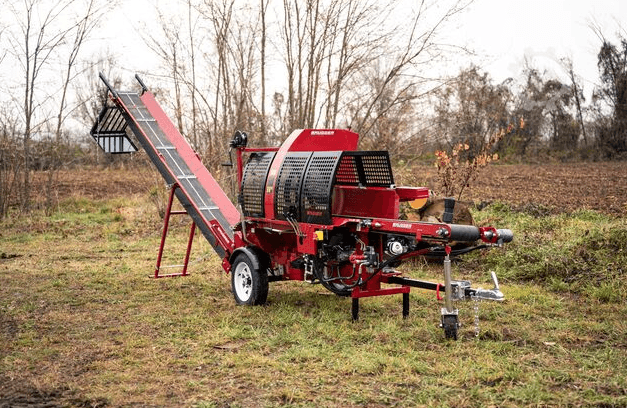
Shopping for Used Firewood Processors for Sale can save you thousands while still giving you industrial-grade performance, but only if you know what to look for. You can find reliable, well-maintained machines from dealers, classifieds, and equipment resellers across Canada and beyond—often at a fraction of the price of new models—if you focus on hours, service history, and key wear items.
This post guides your buying decisions by highlighting the most important mechanical checks, cost-versus-life trade-offs, and trustworthy places to search for inventory and parts. Expect practical tips to help you compare models, avoid common pitfalls, and negotiate a fair deal so your next machine delivers long-term value.
Key Considerations When Buying Secondhand Firewood Processors
Focus on the machine’s physical condition, the specific features you need for your log sizes and throughput, and whether the asking price reflects remaining life and repair history.
Machine Condition and Inspection
Inspect the engine, hydraulic system, and structural frame for obvious wear and damage. Look for oil leaks around hydraulic lines, cracked hoses, and seepage at engine seals; these are common costly repairs. Check hour meters and maintenance stickers; inconsistent or missing service records increase risk.
Examine the cutting and splitting components closely. Blades, chains, knives, and wedge faces should show even wear—not deep nicks or bending. Ask to run the processor under load so you can hear bearing noise, transmission chatter, or irregular vibrations.
Evaluate the conveyor, feed table, and log cradle for alignment and worn rollers. Test controls, safety switches, and emergency stops for reliable operation. If possible, bring a mechanic or operator familiar with your preferred brand to verify items you can’t assess alone.
Types and Features
Choose engine type and power that match your workload: gasoline for portability, diesel for heavy continuous use, electric for low-noise shop setups. Match splitting wedge capacity and diameter rating to the largest logs you plan to process.
Decide on feed system and throughput: gravity-fed units suit low-volume work, while hydraulic ram or powered feed systems increase speed and control. Conveyor length and orientation affect how you stack or load finished wood; confirm dimensions fit your space and transport method.
Look for optional features that reduce labor or downtime: automatic cycle control, adjustable wedge positions, log length stops, and onboard winches. Confirm any attachments—debarkers, conveyor extensions, or hydraulic log lifts—are included and compatible with the base machine.
Pricing and Value Assessment
Compare recent sale prices for similar models, hours, and condition to set a realistic target price. Factor in typical repair items: hydraulic hose replacement, blade sharpening or replacement, and engine tune-ups; estimate parts and labor before making an offer.
Calculate remaining useful life using hours, service history, and observed wear; then compute cost-per-hour to compare alternatives. Include transport and setup costs—trailering, permits, and any needed loader time—as these can add significantly to total outlay.
Negotiate based on defects you documented during inspection. Offer conditional terms like inspection contingency or price hold until you verify parts availability. If buying from a dealer, ask about limited warranties or refurbished components to reduce your post-purchase risk.
See also: POS Machine: Streamlining Transactions for Modern Businesses
Top Sources for Reliable Used Equipment
You’ll want buyers that list machine hours, provide service history, and allow inspection or test runs. Prioritize sellers who offer photos, detailed specs, and clear return or warranty terms.
Specialty Dealers
Specialty dealers focus on firewood processors and related forestry gear, so they typically carry inspected, reconditioned machines. Look for dealers that list brands (Wallenstein, Rabaud, Hakki Pilke, etc.), model years, engine hours, replacement parts availability, and documented repairs.
Ask about their inspection checklist and whether they refurbish hydraulics, blades, and conveyors. Request a video of the processor running and a recent maintenance log. Dealers often offer limited warranties, parts support, and financing — confirm those terms in writing.
Expect higher prices than private sales but lower risk. Check dealer reputation via industry forums, trade sites, and customer reviews before you commit.
Online Marketplaces
Online marketplaces (Machinio, Kijiji, MarketBook, AgDealer, ForestryTrader, Lumbermenonline) give broad access to used processors across regions. Use filters for brand, year, condition, and distance; set alerts for new listings matching your specs.
Inspect listings for high-resolution images, VIN or serial numbers, and complete spec sheets. Message sellers to request live video, inspection reports, and proof of ownership. Beware of vague descriptions and unusually low prices — these often signal missing parts or undisclosed damage.
Use payment protection where available and arrange inspections or third-party surveys before transferring funds. Keep a checklist: serial number match, hydraulic leaks, splitter condition, conveyor integrity, and engine start/run behavior.
Local Auctions
Local equipment auctions — farm auctions, municipal surplus, and forestry liquidation sales — can yield well-priced processors. Attend preview days to inspect machines in person and bring a small flashlight and rubber boots for close checks.
Auctions usually sell “as-is,” so prioritize machines you can inspect thoroughly. Identify critical faults ahead of bidding: fractured frames, seized hydraulics, or worn splitting wedges. Set a firm maximum bid that covers repair and transport.
If you can’t attend, hire a trusted mechanic or inspection service to bid and evaluate on your behalf. Review auction terms for buyer’s premiums, removal deadlines, and payment methods before participating.