Termites take a winter break in most of the country. Cold ground slows their metabolism, hardens the soil, and forces colonies into a sluggish dormancy until spring. Central Florida does not grant such reprieve. Here, the air stays thick with moisture, the soil rarely chills, and the insects feasting inside walls and beneath foundations never clock out. For homeowners across Clermont, Davenport, and the surrounding communities, this means the threat is there all year.
This distinction changes how protection should work. Because there is no natural pause in termite activity, there is no safe window to ignore the problem, which is why a professional termite inspection Florida belongs on the calendar as a routine safeguard. Catching the early signs is easier than repairing the damage a colony inflicts over a humid, uninterrupted year.
Moisture Is the Engine
Termites are fragile creatures. Their soft bodies dry out quickly, and they depend on humidity to survive away from their nests. Florida’s climate removes this limitation almost entirely. With relative humidity often hovering above seventy percent and afternoon storms recharging the soil for much of the year, the environment does the colony’s work for it. Here are local conditions that feed the cycle:
- Saturated soil. This keeps subterranean colonies hydrated and active straight through the calendar.
- Warm overnight temperatures. These prevent the dormancy that limits termites in cooler states.
- Persistent moisture against foundations. This softens wood and lures workers toward the structure.
- Poor drainage and shaded crawl spaces. These create the damp, dark conditions that termites value.
In short, the same weather that makes a Florida winter pleasant for people makes it productive for termites.
The Species That Thrive Here
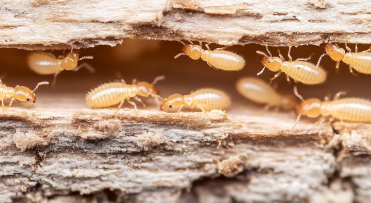
Not all termites behave alike, and Central Florida hosts more than its share. The native eastern subterranean termite builds its mud highways from the soil into wooden framing, while the more aggressive Formosan termite fields huge colonies capable of consuming structural timber at an alarming pace. Drywood termites nest directly inside furniture, attic beams, and trim without ever touching the ground.
Because each type exploits a different vulnerability, a treatment effective against one may barely inconvenience another. Identifying which invader has moved in is half the battle, and it is rarely something a homeowner can determine with confidence alone.
Damage That Hides in Plain Sight
The cruelest feature of a termite problem is its discretion. These insects hollow out wood from the inside, leaving a thin, intact veneer that conceals the destruction within. By the time a floor sags or a door frame crumbles under a fingertip, the colony has often been thriving for years.
Watch for these signs:
- Pencil-thin mud tubes climbing foundation walls or piers.
- Discarded wings collected near windowsills after a swarm.
- Paint that bubbles or ripples as though water-damaged.
- Faint clicking sounds within the walls when a colony is disturbed.
- Wood that yields a hollow note when tapped.
Any one of these warrants prompt attention, because in this climate, the problem only accelerates while it goes unaddressed.
See also: globeinsightblogcom
Why Local Expertise Matters
Generic, off-the-shelf solutions falter against Florida’s year-round pressure. Effective defense demands an understanding of how regional species move, where moisture collects in local construction, and how the seasons change colony behavior. This is the kind of knowledge that comes only from years of hands-on experience.
Avata Pest Control has guarded Central Florida homes since 2001, and this long tenure has bred a fluency in the habits of the area’s most stubborn invaders. As a homegrown company, the team treats each property with the careful, personal attention a neighbor deserves.
They inspect thoroughly, explain clearly, and tailor every plan to the specific structure and threat at hand.