You may have noticed chalky white spots on your child’s first molars, yellow or brown patches that were not there before, or teeth that seem to chip even though brushing is part of the routine. That can feel confusing fast, especially when thinking about dental care for toddlers and young children in Crenshaw. A tooth comes in, and instead of looking strong, it already looks worn, sensitive, or uneven. For many parents, that is the moment worry starts.
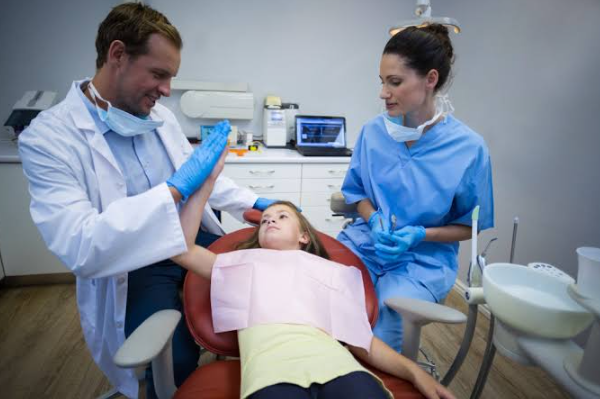
Molar incisor hypomineralization, often called MIH, is a developmental condition that affects the enamel of first permanent molars and sometimes incisors. The enamel is softer and weaker than it should be, which means these teeth can break down, feel sensitive, and become harder to keep clean. A pediatric dentist does not just glance at the tooth and name it. The assessment usually includes a close visual exam, questions about sensitivity and pain, a check for breakdown or decay, and a plan based on how badly the enamel is affected.
Pediatric dentists look for enamel defects, sensitivity, and breakdown patterns
How pediatric dentists assess molar incisor hypomineralization starts with something very basic. They look carefully at which teeth are involved and how the enamel appears. MIH often shows up in one to four first permanent molars, and the front teeth may also have visible defects. The enamel may look creamy white, yellow, or brown. Those color changes matter because darker, more porous areas often point to weaker enamel.
A pediatric dentist also checks whether the enamel has already broken after the tooth came in. This matters because MIH is not the same as a simple stain. The surface can crumble under normal chewing forces, which leaves rough edges and areas where cavities can form more easily. If your child avoids cold drinks, winces during brushing, or complains that one side hurts when chewing, those clues help shape the diagnosis.
This is where parents often feel stuck. A tooth can look damaged, but the child may still be young and scared of treatment. The sensitivity can make even a routine cleaning uncomfortable. That often leads to another problem. If brushing hurts, kids tend to avoid the spot, plaque builds up, and the tooth gets even harder to manage.
MIH assessment in children also includes ruling out other causes of enamel changes. Fluorosis, early decay, trauma to developing teeth, and other enamel defects can look similar at first glance. A pediatric dentist pays attention to the pattern, the tooth type, the borders of the defect, and whether the enamel loss happened before or after eruption. According to the American Academy of Pediatric Dentistry guidance on molar incisor hypomineralization, diagnosis depends on recognizing these specific clinical features and separating MIH from other enamel conditions.
See also: How Oral Surgeons And Implant Dentists Create Lifelong Smiles
Pain levels and cooperation shape the treatment plan
Assessment is not only about what the tooth looks like. It is also about how your child experiences that tooth. Two children can have defects that seem similar in size, yet one can tolerate brushing and the other cannot handle a puff of air during the exam. That difference matters because sensitive MIH teeth often need a gentler approach, and sometimes they are harder to numb during treatment.
The dentist may ask when the pain happens, whether cold foods trigger it, and whether chewing causes discomfort. They may also check for signs that the child is protecting one side of the mouth. If a molar is breaking down quickly, the plan may need to move faster to protect the tooth before a larger restoration is needed.
Pediatric dental evaluation for MIH often includes photos, charting the size and color of the defect, and in some cases X-rays to check for hidden decay or to guide long term decisions. The goal is to figure out severity, symptoms, and risk. A mild case may need monitoring and fluoride support. A moderate or severe case may need sealants, fillings, stainless steel crowns, or a referral for orthodontic planning if the tooth has a poor long term outlook.
Mild and severe molar incisor hypomineralization do not carry the same risks
| Assessment Finding | What the Pediatric Dentist Sees | What It Often Means |
|---|---|---|
| Mild MIH | White or cream patches, no enamel loss, limited sensitivity | Needs monitoring, fluoride support, and protection against wear |
| Moderate MIH | Yellow or brown areas, surface weakness, brushing discomfort | Higher risk of breakdown, may need sealants or restorations |
| Severe MIH | Post eruption enamel loss, chewing pain, rapid decay risk | May need crowns, more frequent visits, or long term planning |
| Front teeth involved | Visible spots or discoloration on incisors | May affect appearance and confidence, cosmetic options may be discussed |
This kind of grading helps families understand why one child is told to watch and protect a tooth while another is advised to restore it quickly. The difference is not guesswork. It is based on structure, symptoms, and risk of future damage. A helpful clinical overview in the Michigan Dental Association publication on MIH also describes how these teeth can be harder to anesthetize and more likely to break down after eruption, which is why early recognition matters.
Parents can take clear steps before the next dental visit
Track the symptoms. Write down which teeth seem sensitive, what triggers the pain, and whether brushing or chewing is getting harder. Specific details help the pediatric dentist judge severity faster.
Use a gentle home routine. If your child says brushing hurts, switch to a soft brush, lukewarm water, and a fluoride toothpaste recommended for their age. The goal is to keep the area clean without turning brushing into a daily fight.
Schedule an exam early. A weak molar can go from spotted to broken faster than many parents expect. A pediatric dentist can tell whether the tooth needs monitoring, sealing, restoration, or stronger protection now.
Early assessment gives children a better chance to keep these teeth comfortable and strong
If your child has molars or front teeth that look patchy, fragile, or unusually sensitive, you are not overreacting by getting them checked. MIH can be subtle at first, then turn into pain and breakdown once chewing stress takes over. A careful exam by a pediatric dentist can sort out what is happening and what needs attention now versus later.
The earlier the assessment happens, the more options you usually have, and the easier it is to protect your child from avoidable pain.