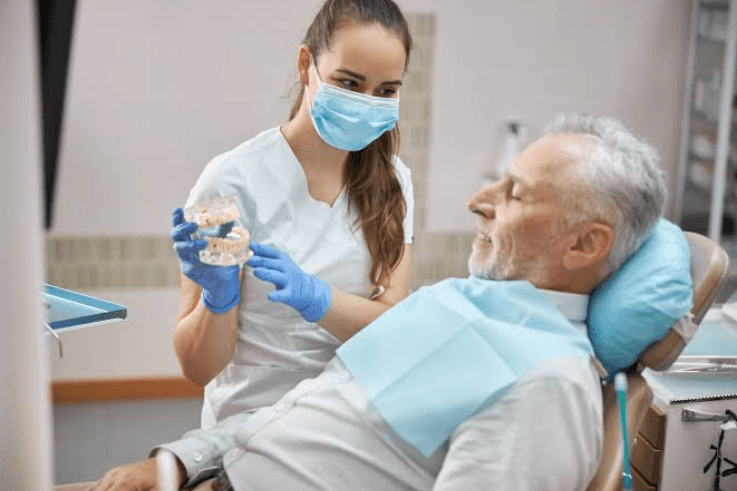
You brush, you rinse, you try to do the right thing, and your teeth can still feel like one more thing waiting to go wrong. Maybe it starts with bleeding gums when you floss, a little sensitivity when you sip something cold, or that nagging thought that you are overdue for a cleaning. That low grade worry is common, especially when life gets busy and dental care slips into the background, which is why seeing a dentist in Verrado, Buckeye AZ can help you stay ahead of small issues before they become bigger problems.
The good news is that healthy teeth are not built only in the dental chair. Most of what protects your mouth happens at home, day after day, in small habits that add up. If you want smart ways to keep teeth healthy between dental visits, the answer is not perfection. It is consistency, a few better choices, and knowing where home care helps and where a general dentist still matters.
Daily habits shape your oral health between appointments
Plaque does not wait for your next cleaning. It forms every day, and when it stays on your teeth, it can harden into tartar that you cannot remove with a toothbrush. That is usually when people feel frustrated. They are doing something, but not seeing the full payoff. The gap is often technique, timing, or missed spots, not a lack of effort.
Brushing twice a day with fluoride toothpaste is still the foundation. The National Institute of Dental and Craniofacial Research shares practical oral hygiene guidance that keeps the basics clear. Use a soft bristled brush, angle it toward the gumline, and spend enough time to reach the back teeth and the areas where plaque likes to sit. If you rush through it, your mouth pays for it later.
Flossing matters for the same reason. Your toothbrush cannot clean between teeth very well, and that is exactly where food particles and bacteria stay trapped. If your gums bleed when you floss, many people assume flossing is the problem. Usually, inflammation is the problem, and regular flossing helps it calm down.
See also: How Oral Surgeons And Implant Dentists Create Lifelong Smiles
Fluoride and diet protect enamel when brushing alone is not enough
Enamel takes a hit all day. Sugary snacks feed bacteria, acidic drinks soften the surface of your teeth, and frequent sipping keeps your mouth under attack longer than most people realize. One soda with lunch is different from nursing one for three hours. One dessert after dinner is different from constant grazing.
Fluoride helps repair early damage before it turns into a cavity. The CDC explains how fluoride protects teeth by strengthening enamel and making it more resistant to acid. That matters for adults as much as kids. If you deal with dry mouth, gum recession, or frequent cavities, fluoride becomes even more useful.
Food choices also change the picture fast. Crunchy vegetables, water, dairy, and meals with fewer sticky sweets are easier on your teeth than frequent candies, sports drinks, and chips that cling to grooves. You do not need a perfect diet. You need fewer repeated sugar hits and better rinse and brush habits after them.
Small warning signs often turn into bigger dental problems
A little sensitivity can become a cracked filling. Mild gum tenderness can turn into gingivitis, then deeper gum disease. Bad breath that keeps coming back may be more than a food issue. Many people wait because nothing hurts badly enough yet, and that delay often makes treatment more expensive and more stressful.
The CDC offers clear oral health tips for adults that support prevention before problems grow. If you notice bleeding gums, white spots on teeth, pain when chewing, or sores that do not heal, home care has reached its limit. That is when a general dentist needs to take a closer look.
Home care and professional care do different jobs
Maintaining healthy teeth between appointments works best when you treat home care and dental visits as partners, not substitutes. One protects you every day. The other catches what you cannot see and removes what you cannot remove on your own.
| At Home | What It Helps Prevent | What Still Needs a General Dentist |
| Brushing twice daily with fluoride toothpaste | Plaque buildup, early enamel damage, bad breath | Tartar removal, cavity diagnosis, worn fillings |
| Flossing or cleaning between teeth once a day | Gum inflammation, decay between teeth | Deep gum pockets, bone loss, advanced gum disease |
| Choosing water over sugary or acidic drinks | Acid erosion, cavity risk, dry mouth strain | Assessment of enamel loss and sensitivity causes |
| Watching for bleeding, pain, or persistent sensitivity | Delayed response to warning signs | X rays, treatment planning, infection care |
Three steps you can start today for better dental health
Set a two minute brushing routine. Brush in the morning and before bed for a full two minutes. Use fluoride toothpaste and slow down enough to reach the gumline, the backs of the front teeth, and the molars. If you tend to rush, use a timer or an electric brush with a built in alert.
Clean between your teeth in the way you will actually keep doing. Traditional floss works well, but floss picks, interdental brushes, or a water flosser may fit your routine better. The best option is the one you will use every day. Consistency beats the perfect tool sitting unopened in a drawer.
Reduce constant sugar and acid exposure. Drink water more often, keep sweets with meals instead of as all day snacks, and rinse with water after coffee, soda, or citrus. If you have dry mouth, ask your dentist about products that support saliva, because saliva is one of your mouth’s main defenses.
Steady care keeps your teeth healthier and your visits easier
You do not need to overhaul your life to protect your smile. A few steady habits can lower your risk, reduce surprises, and make your next appointment much less stressful. These are oral health tips to keep your teeth strong because they work in real life, even when your schedule is packed.
If something feels off, do not wait for it to become a bigger problem. A general dentist can help you catch issues early and keep your teeth in better shape between visits.