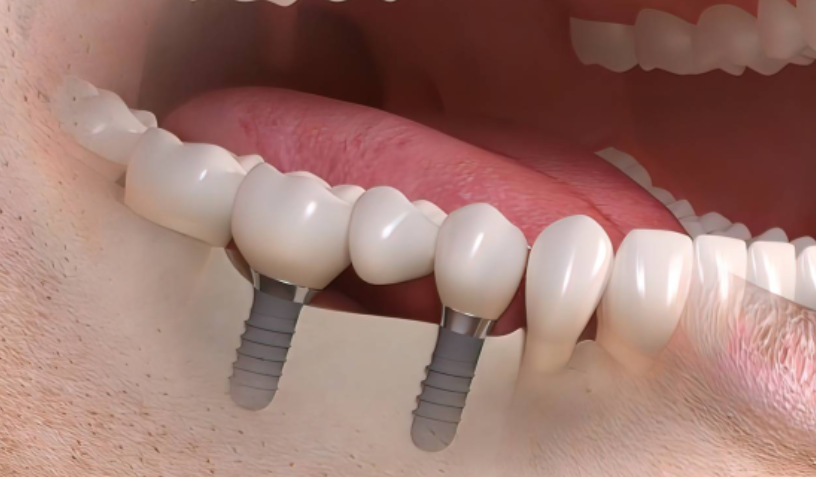
You can do everything right, choose dental implants, commit to treatment, spend the time and money, and still worry about one thing more than anything else. Will it look like you? That concern is real. Most people are not asking for a perfect smile. You want a smile that fits your face, feels natural when you talk, and does not make you think about your teeth every second of the day. That is why choosing a trusted provider for dental implants in Berkeley can make all the difference.
An implant supported smile is not shaped by the implant alone. The final look comes from a series of small decisions, and each one changes how natural or artificial the result feels. The shade, gum line, tooth length, lip support, bite, symmetry, and the way the smile matches your face all matter. If even one of those details is off, people may not know why it looks different, but you will.
The shape of an implant supported smile starts with facial fit
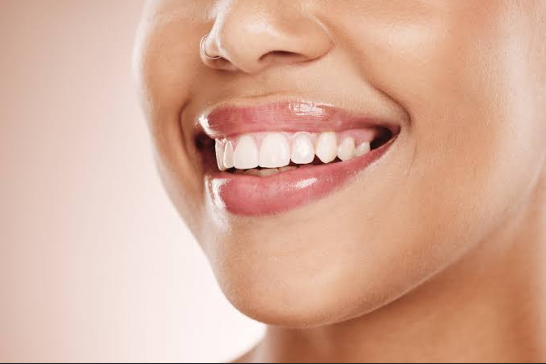
The best cosmetic result does not begin with the whitest teeth. It begins with proportion. Tooth size has to fit your face, jaw, lips, and age. Large square teeth on a narrow face can look heavy. Very short teeth can make the smile look worn down or older. A smile that is too broad can look fixed in place instead of relaxed.
This is where many people feel caught off guard. They assumed the implant and crown would simply replace what was lost. In reality, an implant supported smile often needs careful design so the replacement teeth work with your facial features, not against them.
Gum contours shape whether implant restorations look natural
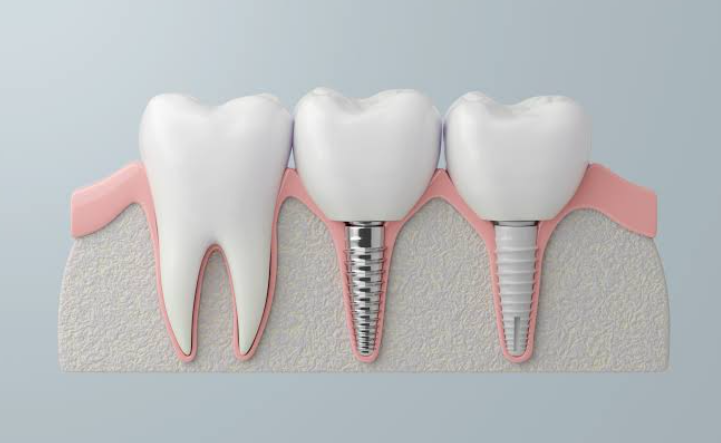
People notice teeth first, but the gums frame the entire smile. Uneven gum levels can make one tooth look longer than the other, even when the crowns are technically the same size. Missing tissue around an implant can create dark spaces or a flat look near the gum line. That is one reason soft tissue management matters so much in implant and cosmetic dentist treatment planning.
Research on esthetic implant outcomes keeps pointing to the same issue. The pink tissue around the implant affects harmony just as much as the crown itself. You can see that emphasis in this review of esthetic considerations around dental implants, which discusses how tissue shape and stability influence the final appearance.
Tooth color affects more than whiteness
Shade selection sounds simple until you see how many smiles look unnatural because the crowns are too bright, too opaque, or too flat in color. Natural teeth are not one block of white. They have depth, slight translucency, and variation from edge to gum line. Implant crowns that ignore that tend to stand out under daylight and in photos.
You may already know this feeling if you have ever seen a beautiful smile in the mirror at the office, then looked at a phone photo later and thought something seemed off. That usually comes down to color layering, light reflection, and material choice, not just “white teeth.”
Tooth length and edge position change your whole expression
The incisal edge, which is the biting edge of the front teeth, affects how youthful, soft, or severe a smile appears. Teeth that are too short can make the mouth look collapsed. Teeth that are too long can create a strained look and may affect speech. The right edge position supports natural lip movement when you speak and smile.
This is one of the quiet details behind a natural-looking implant smile. It is not dramatic on its own, but it changes the whole impression.
Lip support and bite determine whether the smile feels balanced
Implants support teeth, but they also influence the way your lips rest and move. If the teeth do not provide enough support, the upper lip can look flatter. If the bite is off, the smile may look tense and the teeth may wear unevenly over time. Problems with bite also affect comfort, chewing, and speech, so this is never just cosmetic.
Long term planning matters here. A broader clinical discussion of implant prosthetic design shows how function, support, and prosthetic planning affect outcomes beyond simple replacement.
Symmetry helps, but perfect symmetry rarely looks human
Many people ask for symmetry when they really mean balance. Natural smiles are not mirror images. Tiny differences from one side to the other often make a smile look believable. If every tooth is identical in width, length, and angle, the result can feel manufactured.
An experienced implant and cosmetic dentist usually aims for controlled asymmetry. The goal is order without stiffness.
See also: The Relationship Between Bookkeepers And Business Consultants
Material choice changes the final appearance of cosmetic dental implants
Crown material affects translucency, texture, and how light moves through the smile. Some materials are stronger. Some are more lifelike in the front of the mouth. Some mask underlying implant components better. If a patient has thin gums or a high smile line, those choices become even more visible.
| Detail | If Well Planned | If Overlooked |
|---|---|---|
| Tooth proportion | Smile fits the face and looks natural | Teeth look bulky, short, or out of place |
| Gum contour | Even frame around each tooth | Dark spaces, uneven tooth appearance |
| Shade and translucency | Teeth reflect light like natural enamel | Flat, overly white, artificial look |
| Tooth length | Balanced smile and clearer speech | Aged appearance or strained smile |
| Lip support | Fuller, relaxed facial profile | Flat upper lip or collapsed look |
| Bite alignment | Comfortable chewing and stable result | Wear, tension, discomfort |
| Restorative material | Natural texture and light response | Opaque or unnatural finish |
Three steps that help you get a better implant smile design
Ask to see the smile design before treatment is finalized. Photos, digital mockups, or trial smiles can reveal problems early. It is easier to adjust shape, length, and shade before the final restoration is made.
Talk about gums, not just teeth. If your consultation focuses only on the implant fixture or crown count, you may miss the tissue issues that affect appearance most. Ask how the gum line will look when you smile and whether grafting or tissue shaping is part of the plan.
Bring real photos of your natural smile. Older photos help guide tooth shape, display, and facial fit. This is especially useful if you want your new smile to feel familiar rather than dramatically different.
A well planned smile looks less like dental work and more like you
Details that affect the appearance of dental implants are easy to underestimate until you live with the result every day. The good news is that these details can be planned. A thoughtful approach to cosmetic dental implants looks at your face, gums, speech, bite, and goals together, so the final smile does not just replace teeth. It restores confidence without looking forced.
If you are considering treatment with an implant and cosmetic dentist, ask for a plan that covers the small things. Those are usually the big things when the smile is yours.