In the digital-first business landscape, content distribution is no longer just about information; it is about experience. For decades, the Portable Document Format (PDF) has been the undisputed king of document sharing. It preserved layouts, locked fonts, and ensured that a document looked exactly the same on a desktop as it did on a printer. However, as user habits shift heavily toward mobile browsing, instant gratification, and interactive media, the traditional, static PDF is rapidly becoming a bottleneck for audience engagement.
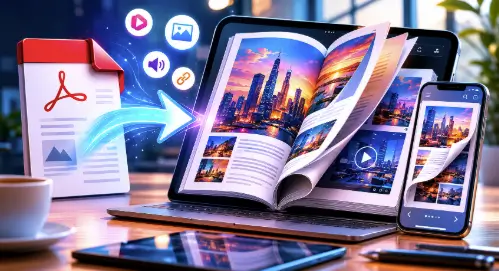
When a modern user opens a standard PDF link, they are often met with a clunky download prompt, a vertical scrolling wall of text, or a layout that requires continuous pinching and zooming on smartphones. This friction kills conversion rates. To captivate an audience—whether they are B2B clients, retail consumers, or internal stakeholders—forward-thinking creators are changing their approach. The most effective way to breathe new life into static documents is to convert PDF to flipbook format, transforming rigid pages into a fluid, responsive, and interactive digital experience.
The Core Limitations of Traditional PDFs
To understand why the transition to interactive flipbooks is accelerating, one must look at where the traditional PDF falls short in the modern web ecosystem.
1. Zero Interactive Capabilities
A traditional PDF is essentially a digital piece of paper. You can read it, and you might be able to click a basic hyperlink, but that is where the journey ends. You cannot embed a responsive video tutorial next to a product description. You cannot include an interactive lead capture form right inside the catalog. You cannot let a restaurant guest tap a dish to see an allergen menu.
2. The Mobile Compatibility Nightmare
PDFs are fixed-dimension documents. They do not naturally reflow or scale according to screen size. On a 6-inch smartphone screen, a multi-column PDF layout forces the reader to zoom in, scroll horizontally, zoom out, and repeat. In an era where mobile traffic accounts for over half of global web usage, forcing this level of effort onto your audience guarantees a massive bounce rate.
3. The “Black Box” Analytics Problem
Once a user downloads a PDF from your website or email blast, you lose all visibility. Did they read past the cover page? Did they spend ten minutes analyzing your pricing table on page five, or did they close the file immediately? Standard PDFs offer zero behavioral tracking. You are left completely in the dark regarding what content actually drives revenue or engagement.
The Flipbook Advantage: Elevating the Reading Experience
Converting your documents into an online HTML5 flipbook changes the entire dynamic. It bridges the gap between the familiar, tactile feel of reading a high-end physical magazine and the cutting-edge capabilities of modern web tech.

When you choose to migrate your content and convert PDF to flipbook modules, you instantly unlock several critical business advantages:
Seamless Access with Zero Downloads
An online flipbook loads instantly in any standard web browser via a simple URL. Users do not need to download massive megabyte-heavy files onto their devices, which is a major barrier for mobile users on cellular data networks. The content is indexed cleanly by search engines, making your brochures and annual reports inherently SEO-friendly.
Immersive Audio-Visual Storytelling
Modern flipbooks aren’t just about smooth page-turning animations; they are a multi-media hub. Platforms like Toombler allow creators to embed high-definition videos, audio tracks, active shopping cart buttons, and animated GIFs directly onto the pages. Instead of merely reading about a product, your audience can watch a video demonstration right inside the layout, significantly increasing time-on-page and brand retention.
See also: How to Book a Bus to TBS Online in Minutes
Responsive Micro-Layouts
Because top-tier flipbooks are powered by modern HTML5 web standards, they intelligently adapt to the viewport of the reader. Whether opened on an ultra-wide desktop monitor, an iPad, or an iPhone, the interface optimizes the text and page spread automatically. The reading experience remains premium, elegant, and effortless.
Strategic Use Cases Across Industries
The versatility of interactive flipbooks makes them incredibly valuable across a diverse spectrum of business operations:
- E-Commerce & Retail Catalogs: Instead of sending a static holiday gift guide, brands can deploy an interactive flipbook where every product image links directly to a checkout page. Shoppers can flip through a beautifully curated lookbook and tap items to buy them instantly.
- Corporate Presentations & Annual Reports: Shareholders do not want to wade through a dry, 80-page financial text file. A beautifully designed flipbook allows corporations to integrate dynamic data charts, embedded video messages from the CEO, and interactive navigation tabs that let readers jump straight to the data they care about.
- Digital Magazine Publishing: Independent creators and established publishers alike use flipbooks to offer a premium, subscription-grade digital reading experience that handles rich advertisements and high-resolution photography flawlessly.
Elevate Your Digital Strategy Today
The data is clear: interactive content generates up to two times more conversions than passive content. Continuing to rely entirely on standard, unengaging PDFs means leaving audience attention—and potential revenue—on the table.
Transitioning to a dynamic approach doesn’t require complex coding skills or expensive software suites. By utilizing a streamlined, cloud-first platform like Toombler, the process is simple: upload your document, customize your branding and interactive widgets, and launch. When you convert PDF to flipbook formats, you turn a forgotten, downloaded file into a living, breathing marketing asset that captures attention, drives click-through rates, and delivers measurable results.