You might be feeling a little unsure right now, especially if your child is due for a dental visit and you are trying to figure out whether a general dentist is enough or if a pediatric dentist makes more sense. That question is common, and it usually comes up at a time when you are already juggling school schedules, snacks, brushing battles, and the hope that every appointment goes smoothly. Before this choice, it may have felt simple. After you start comparing providers, it can suddenly feel less clear. You may also be looking into Sedation Options for Children in Killeen as part of making the best decision for your child.
The short answer is this. Both types of dentists care for teeth, but a pediatric dentist has added training in children’s oral health, behavior, growth, and treatment needs. A general dentist may treat patients of all ages, while a pediatric specialist is focused on infants, children, teens, and often children with special health care needs. If you are weighing pediatric dentists vs general dentists, the biggest differences usually come down to training, office setting, treatment approach, and how they handle developing mouths.
Why does the choice between a pediatric dentist and a general dentist feel so important?
Because it is not only about clean teeth. It is also about trust, comfort, and setting the tone for how your child feels about dental care for years to come. If a child has a hard first experience, even a simple checkup can become a source of fear. On the other hand, if a visit feels calm and age appropriate, children often build confidence faster.
That is where the first major difference shows up. A pediatric dentist completes dental school, then receives extra specialty training focused on child development, baby teeth, erupting permanent teeth, growth patterns, and child behavior management. A general dentist is trained to provide broad dental care, and many do a good job treating children, but they do not complete that same child-centered specialty path.
So, where does that leave you? It means the question is less about who is “better” and more about who is the better fit for your child’s age, temperament, and dental needs.
See also: How Oral Surgeons And Implant Dentists Create Lifelong Smiles
What are the 4 key differences between pediatric dentists and general dentists?
1. Training focused on children. A pediatric dentist is trained to spot and manage issues that are common in growing mouths, from early decay to bite development. They also learn how to work with infants, toddlers, and children who may be anxious, wiggly, or nonverbal.
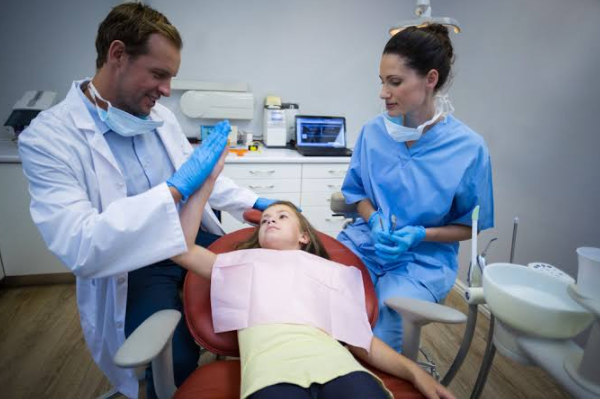
2. A child-centered environment. Pediatric offices are often designed around children’s comfort. That can mean smaller tools, kid-friendly language, and a pace that feels less rushed. General dental offices may be welcoming too, but they are usually built for a wider patient base.
3. Different behavior and communication methods. Children do not process instructions the way adults do. Pediatric teams are trained to explain care in simple terms, redirect fear, and build cooperation step by step. If your child has sensory issues or strong dental anxiety, that difference can matter a lot.
4. Focus on growth and prevention. Children’s teeth and jaws are changing all the time. A pediatric specialist watches for habits like thumb sucking, delayed eruption, crowding, and early signs of decay. According to the CDC’s oral health tips for children, early prevention habits and regular dental care play a major role in protecting a child’s long-term oral health.
How do these differences affect real families day to day?
Think about a few common situations. What if your toddler cries the moment they see the exam chair? What if your six year old has a cavity and cannot sit still for long? What if your child has autism, a strong gag reflex, or a deep fear after a rough past visit? These moments are not rare, and they are often the reason parents start searching for a children’s dentist instead of staying with a general provider.
There is also the public health side of this. The CDC’s 2024 oral health surveillance findings continue to show that oral disease affects many children and families across the country. The broader research in the Oral Health in America report also makes it clear that access, prevention, and early care shape outcomes over time. When care starts early and fits the child well, families often avoid bigger problems later.
What should you compare when choosing pediatric dental care?
If you are sorting through options, a side by side view can make the decision feel less abstract. Here is a practical comparison of a pediatric dentist and a general dentist.
| Comparison Point | Pediatric Dentist | General Dentist |
| Primary patient focus | Infants, children, teens, and often special needs patients | Patients of all ages |
| Training after dental school | Extra specialty training in child oral health and behavior | No required pediatric specialty residency |
| Office design | Often built around children’s comfort and attention span | Usually designed for a broad age range |
| Behavior guidance | Strong focus on easing fear and gaining cooperation | Varies by provider and experience with children |
| Monitoring growth | Closely tracks tooth eruption, jaw growth, and habits | Can monitor growth, but less specialized in child development |
This is why many parents looking into general dentist vs pediatric dentist end up asking a more helpful question. Who is best prepared for my child, right now, as they are?
What can you do next if you are still unsure?
1. Match the provider to your child’s needs. If your child is very young, fearful, has special health care needs, or may need more involved treatment, a pediatric dentist may be the better fit. If your child is older, comfortable, and only needs routine care, a general dentist with strong experience treating children may work well.
2. Ask direct questions before booking. Ask how often the office treats children your child’s age, how they handle anxiety, and what they do if a child cannot complete treatment at the first visit. A good answer should feel calm, clear, and specific.
3. Pay attention to the first interaction. Whether it is a phone call or a first visit, notice how the team speaks to you and your child. Do they explain things simply? Do they seem patient? Do they make room for your concerns? Sometimes the right pediatric dentist is the one who helps your child feel safe before any exam even begins.
How can you feel more confident about the decision?
You do not need a perfect answer. You need a thoughtful one. If you have been comparing providers and worrying about getting it wrong, take a breath. The fact that you are asking these questions already says a lot. You are paying attention, and that matters.
When you understand the 4 key differences between pediatric dentists and general dentists, the choice usually becomes clearer. Look at your child’s age, comfort level, dental history, and the kind of support they may need. Then choose the office that feels ready for all of it, not just the cleaning, but the child sitting in the chair too.