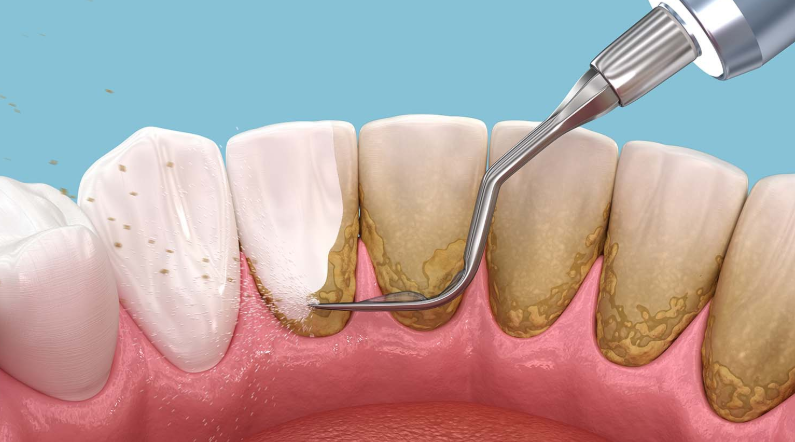
You might be doing all the right things, brushing twice a day, trying to floss more often, cutting back on sweets, and still wondering why certain teeth seem to collect plaque so easily. That can feel frustrating, especially when the problem hides in those narrow pits and grooves on the chewing surfaces of molars. Even when your mouth looks clean, deep tooth grooves can hold onto food and bacteria in ways that are hard to reach, and in some cases may even contribute to a dental emergency in Pekin, IL. The short version is this: if you want to lower plaque around these areas, you need a mix of better daily cleaning, smart food choices, and help from a general dentist when home care is not enough.
Because those grooves are small and uneven, plaque can settle in and stay there longer. Over time, that raises the risk of cavities, staining, and gum irritation around nearby teeth. So, where does that leave you if you are already trying? It means the issue may not be effort. It may be access.
Why do deep tooth grooves trap plaque so easily?
The chewing surfaces of back teeth are not flat. They often have tiny valleys called pits and fissures, and some are deeper than others. When plaque builds in those spaces, a toothbrush may skim over the top without fully sweeping the groove clean. If you have ever wondered why one molar seems to stain faster than the others, this is often the reason.
That is where the stress builds. You may brush harder, thinking that more pressure will solve it, but aggressive brushing can wear enamel and irritate gums without reaching the base of those grooves. In some cases, children and teens are at even higher risk because newly erupted molars are harder to clean well. The CDC oral health tips for children explain why daily habits matter so much during those early years.
What if plaque keeps sitting there day after day? It can feed acid producing bacteria, and that can lead to decay. According to MedlinePlus guidance on tooth decay, plaque and sugars work together to damage enamel over time. That is why small habits make a real difference.
What are 5 ways to reduce plaque around deep tooth grooves?
1. Use the right brushing angle, not just more force. Aim the bristles into the chewing surfaces of molars and use short back and forth strokes. Spend extra time on the back teeth, where grooves tend to be deepest. An electric toothbrush can help because the smaller head often reaches those surfaces better.
2. Choose a fluoride toothpaste and brush long enough. Two full minutes gives you time to circle back to the molars instead of rushing past them. Fluoride helps strengthen enamel, which matters when plaque collects in hard to clean spots.
3. Rinse or drink water after meals and snacks. This simple step helps wash away food particles before they settle into grooves. It is especially useful when you cannot brush right away.
4. Cut down on sticky and frequent sugary snacks. Crackers, candy, dried fruit, and sweet drinks can cling to the chewing surfaces of molars. The more often those foods sit in the grooves, the more fuel plaque gets.
5. Ask about sealants if grooves are very deep. For some teeth, daily brushing is still not enough because the anatomy works against you. Dental sealants can cover pits and fissures, making them smoother and easier to keep clean. This is one of the most useful options for children, teens, and even some adults with cavity prone molars.
If you have been searching for ways to manage plaque in deep molar grooves, these steps are often the starting point. They also support better results if you are already seeing a general dentist for routine care.
See also: How Oral Surgeons And Implant Dentists Create Lifelong Smiles
How does home care compare with professional dental help?
It is easy to assume this is a simple brushing problem, but sometimes the shape of the tooth creates a limit. Home care is the foundation, yet professional care can catch what you cannot see and offer options that protect vulnerable grooves before a cavity forms.
| Approach | What It Helps With | Limits | Best Use |
|---|---|---|---|
| Manual or electric brushing | Removes daily plaque from chewing surfaces and along gums | May miss very narrow fissures | Every day, twice daily |
| Fluoride toothpaste | Strengthens enamel and lowers cavity risk | Does not physically seal grooves | Daily prevention |
| Water after meals | Rinses loose food from tooth grooves | Less effective than brushing | When brushing is not possible |
| Diet changes | Reduces sugar exposure that feeds plaque | Requires consistency | Long term cavity prevention |
| Professional cleaning and sealants | Removes buildup and protects deep pits and fissures | Needs an office visit and may not suit every tooth | For high risk grooves or repeat plaque buildup |
This is often the turning point for people dealing with deep tooth groove plaque prevention. Once you understand that anatomy matters, the problem starts to make more sense, and the next steps feel less discouraging.
What can you do right now to protect those hard to clean grooves?
Focus on your molars tonight. When you brush, pause on the back teeth and clean the chewing surfaces with small, controlled strokes. Do not scrub. Think careful coverage, not force.
Look at your snack pattern. If you tend to graze on chips, crackers, sweets, or sports drinks, try limiting how often your teeth are exposed. Fewer snack sessions usually means less time for plaque to feed in those grooves.
Schedule a dental check if one tooth keeps collecting buildup. A recurring problem in the same spot can mean the groove is deeper than average, or early decay may be starting. A general dentist can decide whether a cleaning, fluoride treatment, or sealant would help most.
When should you stop guessing and get help?
If one molar always feels rough, traps food, stains quickly, or seems harder to clean than the others, it is worth getting it checked. The same is true if you notice sensitivity when biting, dark lines in the grooves, or a bad taste that keeps coming back. Those signs do not always mean a cavity is present, but they do mean the area deserves a closer look.
You do not need perfect teeth to make progress. You just need a plan that works with the shape of your teeth instead of against it. Small changes at home can lower buildup, and the right dental support can protect the places your toothbrush cannot fully reach. If plaque keeps collecting around deep grooves, consider booking a visit with a general dentist and getting a clear answer before a small issue turns into a bigger one.