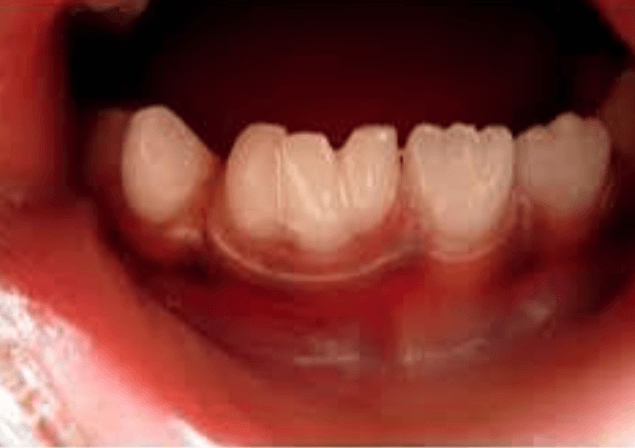
You might notice it during brushing, or maybe a pediatric dentist in Santa Clarita, CA points it out during a routine visit. Two baby teeth seem stuck together, wider than usual, or shaped in a way that does not look quite right. That can be unsettling, especially when you are already trying to keep up with all the normal worries that come with your child’s oral health. If this sounds familiar, you are not overreacting. Teeth that appear fused or joined together can raise real questions about spacing, cavities, and how adult teeth may come in later.
The short answer is this. A pediatric dentist looks closely at the tooth’s shape, counts the teeth, checks the gums and bite, and often uses X rays to tell whether the tooth is truly fused, geminated, or affected by another developmental difference. Once that is clear, the next step depends on whether the tooth is causing pain, crowding, decay risk, or problems with eruption.
Why do some children have teeth that look fused or doubled?
When a child has what looks like one oversized tooth or two teeth joined side by side, a few different things may be going on. In some cases, two developing teeth join together. In others, one tooth bud partly tries to split. To a parent, both can look similar. To a pediatric dentist, the distinction matters because it can affect treatment planning and how the adult teeth are monitored.
This is where terms like fused teeth and gemination often come up. If two separate tooth buds combine, that is usually called fusion. If one tooth bud tries to divide, that is often called gemination. A careful review of tooth development and eruption patterns helps explain why these differences matter. They can change tooth count, root shape, and the way the permanent teeth are expected to develop.
So, where does that leave you if all you know is that your child has a tooth that looks unusual? It means the visual appearance alone is only the start. A pediatric dentist has to piece together the full picture before deciding whether this is simply something to watch or something that needs treatment.
How does a pediatric dentist figure out whether teeth are truly joined together?
The exam usually begins with the basics. The dentist looks at the shape and size of the tooth, checks whether there is a deep groove where plaque can collect, and evaluates how the tooth fits into your child’s bite. They also count the teeth. That sounds simple, but it can offer a clue. If the tooth count is reduced, fusion becomes more likely. If the count is normal, gemination may be more likely.
From there, imaging often becomes the key step. X rays can show whether the crown shares dentin, whether the roots are joined, and whether there are one or two pulp chambers. This helps the dentist understand the internal anatomy before recommending anything. The condition is also tied to broader categories of tooth abnormalities, which is why a thorough diagnosis matters instead of making assumptions from appearance alone.
The surrounding soft tissue matters too. If the unusual tooth shape is irritating the gumline, trapping food, or making cleaning hard, the dentist will assess the health of the gums and nearby oral tissues as part of the visit. References on oral soft tissue evaluation support that broader look, since the issue is not just the tooth itself but how it affects the rest of the mouth.
What problems can fused or joined teeth cause if they are left alone?
Sometimes, none. Some children have joined baby teeth that function well and fall out on schedule. But in other cases, the shape creates deep grooves that are hard to clean, which can raise the risk of cavities. A wider tooth can also affect spacing, speech, or the way neighboring teeth erupt.
There is also the question many parents quietly carry. Will this affect the adult teeth? It might, and that is why early evaluation matters. In some children, the permanent tooth underneath is normal. In others, there may be delayed eruption, crowding, or even a missing permanent successor. A pediatric dentist evaluation for fused teeth helps sort out which of those paths is more likely.
What does the dentist look for before deciding on treatment?
Treatment is not one size fits all. The goal is to protect your child’s comfort, function, and long term tooth development, not to fix appearance alone. A dentist may recommend simple monitoring, preventive sealants, fluoride, reshaping, restoration, or referral to a specialist if the roots or pulp anatomy are more complex.
| What the pediatric dentist finds | What it may mean | Possible next step |
|---|---|---|
| No pain, no decay, normal bite | The tooth may only need observation | Regular follow up and home care guidance |
| Deep groove trapping plaque | Higher cavity risk | Sealant, fluoride, or preventive restoration |
| Crowding or delayed eruption | Permanent teeth may be affected | X rays and growth monitoring, sometimes orthodontic planning |
| Pain or signs of infection | Pulp involvement or decay may be present | Restorative care or specialist referral |
What can you do right now if your child has a tooth that looks doubled?
Schedule an early exam. If a tooth looks unusually wide, split, or joined, do not wait for it to become painful. An early visit gives the dentist time to document the finding and compare it with normal development.
Take note of symptoms at home. Watch for food getting stuck, trouble brushing, sensitivity, swelling, or changes in the way your child bites. These details help the dentist understand whether the issue is staying stable or starting to cause problems.
Protect the area with good cleaning habits. A joined tooth often has grooves that trap plaque. Careful brushing, flossing where possible, and limiting frequent sugar exposure can lower the risk while you wait for guidance. If you have been searching for joined teeth diagnosis in children or wondering whether a pediatric dentist should take a closer look, this is a strong reason to do so.
See also: How CPAs Protect Businesses During Market Uncertainty
What should you take away from all of this?
If your child has teeth that appear fused or joined together, it is understandable to feel uneasy. The good news is that many of these cases can be managed well when they are identified early and followed over time. The key is not guessing based on appearance. It is getting a clear diagnosis, understanding the risks, and making a plan that fits your child’s mouth as it grows.
If something about your child’s tooth shape seems off, trust that instinct and schedule a dental evaluation. A calm, timely check can give you answers, reduce stress, and help protect your child’s smile as the baby teeth and adult teeth develop.