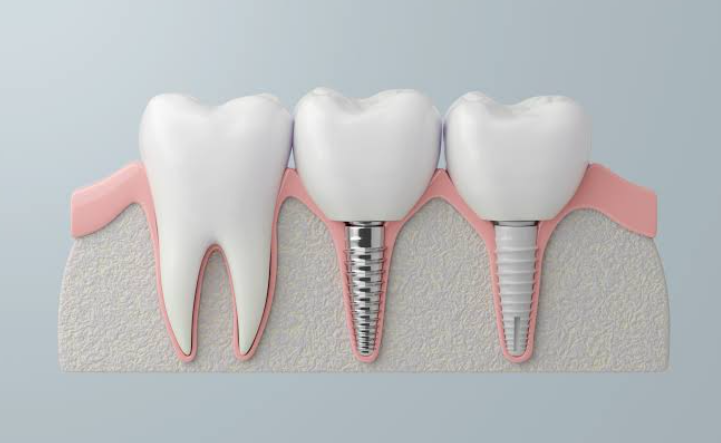
You notice bleeding when you brush, a tooth feels a little loose, or an old crown no longer feels right, and suddenly a small problem starts to feel bigger than it should. That spiral is familiar. Gum disease and tooth loss can carry pain, cost, and a quiet kind of embarrassment, especially when you are trying to figure out what is urgent and what can wait. A board-certified periodontist in Santa Ana can help you understand what needs attention now and what options you have next.
The core issue is simple. Periodontal disease often progresses slowly, then shows itself when damage has already started. Missing teeth create their own chain reaction, from bone loss to shifting teeth to changes in how you eat and speak. Technology is changing that pattern. It helps a periodontist and implant dentist find disease earlier, plan treatment with more precision, and make care more comfortable and predictable for you.
Why technology is revolutionizing periodontics and implant dentistry
comes down to three things. Better imaging, better diagnosis, and better materials. National research continues to show how common oral disease remains and why early, precise care matters. The National Institute of Dental and Craniofacial Research outlines both progress and ongoing gaps in its Oral Health in America report, and that larger picture is exactly why modern periodontal and implant care keeps advancing.
Advanced periodontics catches problems before they become larger and more expensive
Gum disease does not always announce itself with severe pain. You can have inflammation, pocketing around the teeth, and bone loss without much discomfort at all. That is part of what makes it frustrating. By the time many people seek help, they are already dealing with deeper infection, gum recession, or teeth that no longer feel stable.
New diagnostic tools are narrowing that gap. Digital imaging, 3D scans, and more refined probing methods allow a specialist to see structures below the gumline with much more clarity than a basic visual exam alone. Researchers supported by NIDCR are even studying new ways of probing periodontal disease so inflammation and tissue breakdown can be identified with greater accuracy.
That matters in very practical ways. If disease is found early, treatment may center on deep cleaning, targeted antimicrobial therapy, and close monitoring rather than surgery. If surgery is needed, technology helps map the treatment area with precision, which can mean smaller incisions, cleaner placement of regenerative materials, and a smoother recovery.
You also get fewer surprises. When a specialist can measure bone levels and tissue contours more clearly, you are less likely to hear halfway through treatment that the problem is more extensive than anyone expected.
Digital planning is improving dental implants from the first scan to the final bite
Implant treatment used to rely more heavily on two-dimensional images and clinical judgment alone. Skilled judgment still matters, but it now works alongside digital planning. Cone beam 3D imaging shows bone width, bone height, sinus position, and nerve location in detail. That lets a periodontist and implant dentist plan implant placement with far more control.
If you have ever worried about whether an implant will look natural or feel secure, this is where the shift becomes real. Digital planning helps determine the angle, depth, and position of the implant before the procedure starts. Surgical guides can then transfer that plan into the mouth with a high level of accuracy.
Better planning also supports better timing. Some people need bone grafting first. Others may be candidates for immediate implant placement after an extraction. The decision should not be guesswork. It should be based on anatomy, gum health, bite forces, and healing capacity, and technology helps bring those pieces together.
NIDCR’s summary of national oral health trends shows how oral conditions affect daily life, nutrition, speech, and overall health in ways that are easy to underestimate until they happen to you. That broader context appears in its section summary on oral health in America. A missing tooth is not just a cosmetic issue. It can change the health of the whole mouth.
Biomaterials and regenerative tools are expanding what periodontal treatment can repair
Older treatment models often focused on stopping disease and maintaining what remained. That is still part of the job, but modern care is also trying to rebuild. Bone graft materials, membrane techniques, growth factor approaches, and improved implant surfaces are giving clinicians more options when bone and gum tissue have been lost.
This is one reason modern implant dentistry feels different from what many people expect. The conversation is no longer limited to replacing a tooth. It can include preserving bone after extraction, rebuilding tissue around an implant, and shaping the gums so the final result looks balanced and functions well.
Federal research support has helped push these tools forward through programs focused on biomaterials, devices, and clinical technologies. For patients, that often translates into stronger integration, more tailored treatment plans, and more options when the starting point is less than ideal.
Technology in periodontics and implant care changes the treatment experience
| Area of Care | Traditional Approach | Technology-Enhanced Approach |
| Diagnosis of gum disease | Visual exam and manual measurements with limited imaging | Digital imaging and refined diagnostics that reveal bone loss and tissue changes earlier |
| Implant planning | Two dimensional estimates and chairside adjustments | 3D scans, digital planning, and guided placement based on your anatomy |
| Bone and tissue repair | Fewer choices for rebuilding lost support | Advanced grafting materials and regenerative methods that support reconstruction |
| Patient experience | More uncertainty about timing, fit, and healing | Clearer planning, more predictable steps, and better communication about outcomes |
The real benefit is not technology for its own sake. It is clarity. You can see what is happening, understand why a certain treatment is being recommended, and weigh your options with less guesswork. That tends to reduce anxiety because uncertainty is usually the hardest part.
See also: The Relationship Between Bookkeepers And Business Consultants
Three steps help you use these advances to your advantage
Get a focused periodontal and implant evaluation. If you have bleeding gums, gum recession, loose teeth, or a missing tooth, ask for a specialist evaluation rather than waiting for symptoms to worsen. Early imaging and periodontal charting can reveal problems that are still manageable.
Ask what technology is being used and why. You do not need a lecture on equipment. You do need plain answers. Ask whether 3D imaging, guided implant planning, or regenerative materials are being considered, and how those tools may affect accuracy, healing, and long-term stability.
Make the treatment plan fit your real life. A good plan accounts for health history, smoking status, diabetes control, budget, and schedule. The best care is not the most complicated option. It is the one that treats disease effectively and gives you a result you can maintain.
If your gums or missing teeth have been sitting in the back of your mind for months, that hesitation makes sense. Many people wait because they expect pain, confusion, or a huge expense. Technology is helping change that by making advanced periodontics and implant treatment more precise and more understandable. The next step is simply getting clear answers and a plan that matches what your mouth needs.