You brush their teeth, hand over the water cup, and try not to overthink every complaint about a sore mouth. Then your child starts avoiding crunchy foods, waking up fussy at night, or pointing to the same spot on a tooth again and again. That uneasy feeling shows up fast. If you are looking for pediatric dental care for families in Greenwich Village, you do not want to overreact, but you also do not want to miss something that gets worse while you wait.
That tension is common for parents. A small dental issue can look harmless at first, especially in young children who cannot always explain what hurts. The hard part is that tooth decay, gum irritation, and bite problems often start quietly. If your child has ongoing pain, visible changes in the teeth or gums, or trouble eating and sleeping because of their mouth, it is time to schedule a visit with a pediatric dentist. Catching a problem early usually means simpler treatment, less pain, and less stress for everyone.
Persistent pain is a clear sign your child needs a pediatric dentist
A child who says a tooth hurts once after biting into ice cream may be dealing with temporary sensitivity. A child who keeps mentioning the same tooth, rubs their jaw, avoids one side of the mouth, or cries during brushing is telling you something more. Pain that lingers, returns, or disrupts meals and sleep deserves attention.
This is where parents often get stuck. You might look in their mouth and see nothing obvious. No swelling, no broken tooth, no dramatic cavity. Dental problems do not always announce themselves that clearly. Decay can begin between teeth, under the surface, or near the gumline. According to the NIH information on tooth decay, cavities can progress without early treatment and may lead to infection, pain, and trouble eating.
If your child starts chewing only on one side, refusing hot or cold foods, or waking up at night because their mouth hurts, do not assume it will pass. Ongoing discomfort is one of the strongest signs your child should see a pediatric dentist soon.
See also: How Oral Surgeons And Implant Dentists Create Lifelong Smiles
Changes in the teeth or gums can point to a growing dental problem
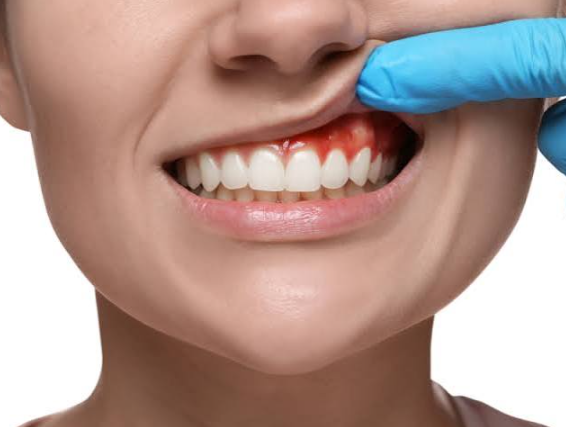
Some signs are easier to spot than pain. White chalky areas on the teeth, brown or black spots, red swollen gums, bleeding during brushing, persistent bad breath, or a tooth that looks chipped all deserve a closer look. So do sores that do not heal within a week or two.
Parents sometimes hope these changes are cosmetic or temporary, especially if the child still seems playful and active. The problem is that early decay often starts as a faint white patch where minerals are leaving the enamel. Once a cavity forms, it does not heal on its own. Gum swelling can also mean plaque buildup, irritation, or infection. The CDC’s oral health tips for children stress regular dental care because small issues are easier to manage before they become painful or expensive.
This matters even with baby teeth. They hold space for adult teeth, help with speech, and make eating comfortable. Losing them too early can create problems that follow your child for years. If you have noticed visible changes, a children’s dentist warning signs visit is the right next step.
Eating, sleeping, and daily habits often reveal when a child dental visit is needed
Children do not always say, “My tooth hurts.” They show you in other ways. A toddler may throw a cup or push away food. A school age child may stop smiling in photos, cover their mouth when laughing, or suddenly hate toothbrushing. Some children become irritable because they are tired from poor sleep caused by mouth pain.
These behavior changes can be easy to miss because they blend into daily life. You may think your child is being picky, overtired, or moody. Then a dental exam reveals a cavity, gum infection, or a problem with how the teeth are coming in. The New York State oral health guidance for babies and young children also notes that early dental care helps prevent problems before they affect feeding, comfort, and development.
If your child has trouble chewing, avoids brushing because it hurts, drools more than usual, or seems bothered by the mouth every day, those are real signs. Signs your child needs a dentist often show up in routines before they show up in words.
Waiting versus scheduling soon can change the outcome
It is tempting to give it a few days, especially if life is packed and your child seems mostly okay. Sometimes that works out. Sometimes a small cavity turns into a deep one, a chipped tooth exposes a nerve, or gum irritation becomes infection. The longer a child hurts, the harder the visit can feel because fear builds alongside the dental problem.
| What You Notice | If You Wait | If You Schedule Soon |
|---|---|---|
| Mild tooth pain that keeps coming back | Decay may spread deeper and cause stronger pain | Problem can often be treated earlier with less discomfort |
| White, brown, or black spots on teeth | Early enamel damage may turn into a cavity | Dentist can assess whether prevention or treatment is needed |
| Swollen or bleeding gums | Irritation may worsen and brushing may become painful | Cause can be identified and treated before habits suffer |
| Refusing food or chewing on one side | Pain may increase and nutrition can be affected | Relief becomes possible and eating can return to normal |
Simple steps you can take today
Track the pattern. Write down when your child complains, what foods bother them, whether sleep is affected, and any visible changes you see. Patterns help a pediatric dentist understand whether this is sensitivity, decay, gum trouble, or something else.
Check the mouth in good light. Gently look for spots, swelling, chips, bleeding, or food trapping between teeth. Do not poke sore areas or try home fixes that can irritate the gums. A quick look gives you useful details without turning it into a stressful event.
Book the appointment before it becomes urgent. If your child has pain, visible damage, swelling, or daily trouble eating or brushing, do not wait for it to become severe. Early care is usually easier on your child and easier on your budget. If there is facial swelling, fever, or trauma to the mouth, seek prompt dental or medical care right away.
Your instincts matter here. If something feels off, there is a reason you are paying attention. 3 Signs Your Child Should See A Pediatric Dentist Soon usually come down to this: pain that does not fade, visible changes in the mouth, and daily habits that shift because something hurts. Acting early can spare your child a lot of discomfort and help protect their smile as they grow.