You may have noticed your child’s teeth don’t line up the way you expected. Maybe one front tooth sits behind the lower teeth, or the back teeth bite inside instead of outside. It can look minor at first, and that is what makes crossbite so confusing. Parents often wonder if it will correct itself, if treatment can wait, or if acting too soon means putting a child through care they may not need. If you are seeking pediatric dental care in Peekskill, it can help to have your child evaluated early.
A crossbite is not always an emergency, but it often should be evaluated early. In many children, timing matters because the bite can affect jaw growth, tooth wear, gum health, and even comfort when chewing. Early treatment does not always mean braces right away. It means finding out whether the bite is guiding the mouth in the wrong direction and deciding if a pediatric dentist and orthodontist should step in now or monitor closely.
Crossbite treatment timing often matters more than parents expect
Crossbite happens when one or more upper teeth bite inside the lower teeth. It can affect the front teeth, the back teeth, or both. Some children have a dental crossbite, where the teeth are tipped in the wrong position. Others have a skeletal issue, where the upper and lower jaws are not growing in balance. That difference shapes treatment and timing.
When a crossbite is left alone, the mouth may start compensating. A child might shift the jaw to one side to make the teeth fit together. Over time, that repeated shift can influence how the jaw develops. What starts as a bite issue can become facial asymmetry, uneven tooth wear, gum recession, or strain on the jaw joint. According to MedlinePlus information on malocclusion, bite problems can also affect chewing, speaking, and long term oral health.
This is why early screening matters. The American Academy of Pediatric Dentistry supports monitoring the developing bite and identifying problems before they become harder to correct. Their guidance on the management of the developing dentition and occlusion makes clear that some bite problems benefit from timely intervention during growth.
See also: How Oral Surgeons And Implant Dentists Create Lifelong Smiles
Early crossbite correction can prevent bigger treatment later
Parents often hope a child will grow out of it. Sometimes that happens with minor spacing or alignment changes, but crossbite is different. If the upper jaw is too narrow or a tooth is locked behind the lower teeth, growth alone may not solve it. In some cases, growth strengthens the pattern instead of fixing it.
A front tooth crossbite may lead to chipping, wear, or gum problems around the affected tooth. A back tooth crossbite can narrow the upper arch and push the lower jaw off center. You might not see pain, but that does not mean nothing is happening. Kids adapt fast. They chew on one side, avoid hard foods, or shift their jaw without realizing it.
Crossbite treatment timing is often best during the mixed dentition years, when baby teeth and adult teeth are both present. That window gives the orthodontist room to guide growth. The AAPD’s current best practices in developing dentition and occlusion support interceptive treatment for selected bite problems when growth can be used to the child’s advantage.
Crossbite treatment options depend on the cause, not just the look
Two children can have a bite that looks similar and need very different care. One may need a simple appliance to move a single tooth. Another may need expansion of the upper jaw. A teen who missed the best growth window may still be treated successfully, but the plan can become longer and more involved.
Common options include palatal expanders, limited braces, clear aligners in selected cases, removable appliances, or full orthodontic treatment later on. If thumb sucking, mouth breathing, or crowding is contributing to the problem, that also needs attention. Early crossbite correction works best when the cause is identified clearly.
If you are weighing whether to wait, think in practical terms. Waiting may feel easier today, but a bite that keeps forcing the jaw out of position can build a larger problem. Early care may reduce the need for extractions, lower the chance of uneven wear, and simplify future orthodontic treatment. It does not guarantee a child will never need braces. It often makes the next phase easier.
Comparing common crossbite situations and treatment paths
| Crossbite Type | Common Age Noticed | Typical Concern | Possible Treatment | Why Timing Matters |
|---|---|---|---|---|
| Single front tooth crossbite | 6 to 9 | Tooth wear, gum recession, locked bite | Limited braces or a simple removable appliance | Early movement can protect the tooth and surrounding gum |
| Posterior crossbite with jaw shift | 4 to 10 | Off center bite, uneven jaw growth | Palatal expander or other widening appliance | Growth can be guided more easily in younger children |
| Skeletal crossbite | Childhood to early teens | Jaw imbalance, facial asymmetry | Growth modification, braces, later comprehensive orthodontics | Delayed care may limit non surgical options |
| Mild dental crossbite without symptoms | Varies | Monitoring versus treatment decision | Observation or targeted early treatment | Regular review helps catch changes before they worsen |
What you can do now if you think your child has a crossbite
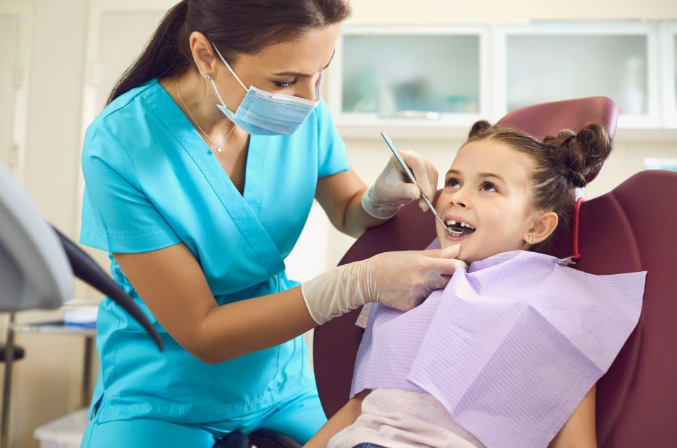
Schedule an orthodontic evaluation early. If you see upper teeth sitting inside lower teeth, or your child’s jaw shifts to one side when closing, get it checked. You do not need to wait until all adult teeth are in. A pediatric dentist and orthodontist can tell you whether this is a watch and wait situation or one that needs action.
Watch for signs beyond crooked teeth. Pay attention to chewing on one side, speech changes, tooth grinding, visible wear, complaints of biting the cheek, or a smile that looks off center. These clues often matter as much as the bite itself.
Ask for the reason behind the treatment plan. A good plan explains whether the issue is dental, skeletal, or functional. That helps you understand why the recommendation is monitoring, expansion, braces, or staged care. When the cause is clear, decisions feel less overwhelming.
Treating a crossbite at the right time can protect growth and comfort
The right age for treatment depends on the type of crossbite, but waiting too long can close off simpler options. When to treat a crossbite is really a question of whether the bite is changing growth, damaging teeth, or forcing the jaw to adapt. If it is, earlier care usually offers the best path.
You do not need to figure this out on your own. If you are seeing signs of a crossbite, schedule an evaluation with a pediatric dentist and orthodontist and get a clear plan for timing, options, and expected outcomes.