You see your child every day, which is why small changes tend to stand out before anyone else notices them. Maybe brushing has turned into a struggle because their mouth hurts. Maybe you caught a sour smell on their breath that did not go away after toothpaste. Maybe you saw a tiny white mark on a tooth and wondered if it was nothing or the start of something bigger. That uncertainty can sit in the back of your mind all day, which is why reaching out to a family dentist in Montebello CA can help you get answers and peace of mind.
Most dental problems in kids do not start with a dramatic sign. They usually begin quietly, then build until eating, sleeping, and brushing become harder. Spotting trouble early at home gives you a better chance to protect your child from pain, missed school, and more involved treatment later. These early signs of dental problems in children are often visible long before a child can explain what feels wrong.
Changes in tooth color often signal the first stage of decay
One of the earliest things parents can spot is a change in color. A chalky white spot near the gumline can be the first visible sign that a tooth is losing minerals. If that process continues, the area may turn yellow, brown, or even black. This is not always easy to notice because the mark can be small and your child may have no pain yet.
That is part of what makes it easy to dismiss. A child is eating fine, running around, acting normal, and the tooth does not look broken. Still, tooth decay often starts this way. The NIH overview on tooth decay explains how bacteria, sugar, and time work together to damage enamel. When you see a new spot that was not there before, especially on baby teeth, it deserves attention.
A quick look after brushing helps. Lift the lip, check near the gums, and notice whether one tooth looks duller or darker than the others. That simple habit can help you catch one of the most common warning signs of oral health issues before a cavity grows.
See also: How Oral Surgeons And Implant Dentists Create Lifelong Smiles
Bleeding gums and swelling point to irritation that should not be ignored
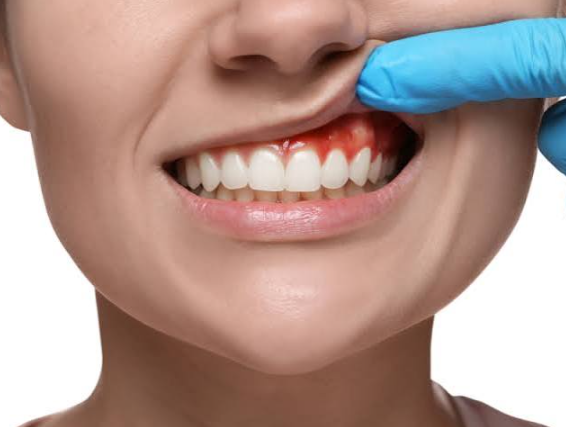
If your child spits pink in the sink, that is not something to brush off as normal. Gums can bleed when plaque builds up along the gumline, and swelling or redness often follows. Sometimes parents assume the child brushed too hard. Sometimes the child avoids brushing the sore area, which lets the irritation get worse.
This cycle is common. Tender gums lead to less brushing, less brushing leads to more plaque, and more plaque leads to more bleeding. In younger kids, that can become a daily battle fast. The good news is that early gum irritation often improves with better cleaning and a dental check before it becomes more serious.
The CDC’s oral health tips for children reinforce how daily brushing, flossing, and limiting sugary drinks support healthier gums and teeth. If the gums look puffy, shiny, or red for more than a few days, a family dentist should take a look.
Bad breath that keeps returning can mean more than missed brushing
Kids get morning breath. That is normal. Breath that stays bad through the day, even after brushing and water, can be a clue that something else is going on. Food packed between teeth, plaque buildup, tooth decay, dry mouth, and gum irritation can all cause a lingering odor.
This sign is easy to miss because it feels minor compared with a chipped tooth or obvious pain. Yet persistent bad breath often shows up early, especially when a child is not cleaning well around the back teeth or has a cavity that is trapping bacteria. You may also notice your child chewing on one side, drinking more to soothe their mouth, or resisting close contact when talking.
When bad breath keeps coming back, look for what is happening around it. Is there bleeding when they brush? A dark spot on a tooth? Complaints that cold water hurts? Those details matter.
Sensitivity, chewing changes, and mouth pain often show up before a child says “my tooth hurts”
Children do not always describe dental pain clearly. One child says food feels funny. Another starts eating slower. Another suddenly refuses cold fruit, crunchy snacks, or brushing the back molars. These behavior changes can be the clue.
Pain can come from cavities, erupting teeth, gum irritation, or even an injury your child barely mentioned. If they wince while eating, touch their cheek, wake at night, or avoid one side of the mouth, pay attention. The NIDCR resource on children’s oral health shows how oral problems can affect comfort, growth, and daily routines across childhood.
| What you notice at home | What it may mean | What you can do now |
|---|---|---|
| White, brown, or dark spots on teeth | Early decay or enamel damage | Schedule a dental visit and reduce frequent sugary snacks and drinks |
| Bleeding, red, or swollen gums | Plaque buildup or gum irritation | Help with gentle brushing and flossing, then monitor for improvement |
| Bad breath that does not improve after brushing | Bacteria buildup, decay, or trapped food | Check brushing quality, floss carefully, and watch for other symptoms |
| Avoiding cold foods, chewing on one side, or brushing resistance | Sensitivity, cavity pain, or soreness | Book an exam if the pattern lasts more than a day or two |
What parents can do right away when they spot early oral health concerns
Check in good light. Look at your child’s teeth and gums after brushing, not during a rushed bedtime routine. Natural light helps you catch color changes, swelling, and food traps that bathroom lighting can hide.
Track patterns, not one-off moments. One complaint after eating ice cream may mean nothing. Repeated sensitivity, frequent bleeding, or the same bad smell every day tells a different story. A note on your phone can help you remember what started when.
Get support before the problem grows. Parents often wait because the symptom seems small, or because the child is not in constant pain. Many signs of oral health problems at home are easier and less costly to manage when they are caught early. A dental exam can tell you whether you are seeing early decay, gum irritation, or something else entirely.
You do not need to panic over every spot or complaint, and you do not need to ignore your instincts either. If something looks off, keeps returning, or changes your child’s eating, brushing, or sleep, trust that it is worth checking. Early attention can spare your child a lot of discomfort and help keep their smile healthy as they grow.